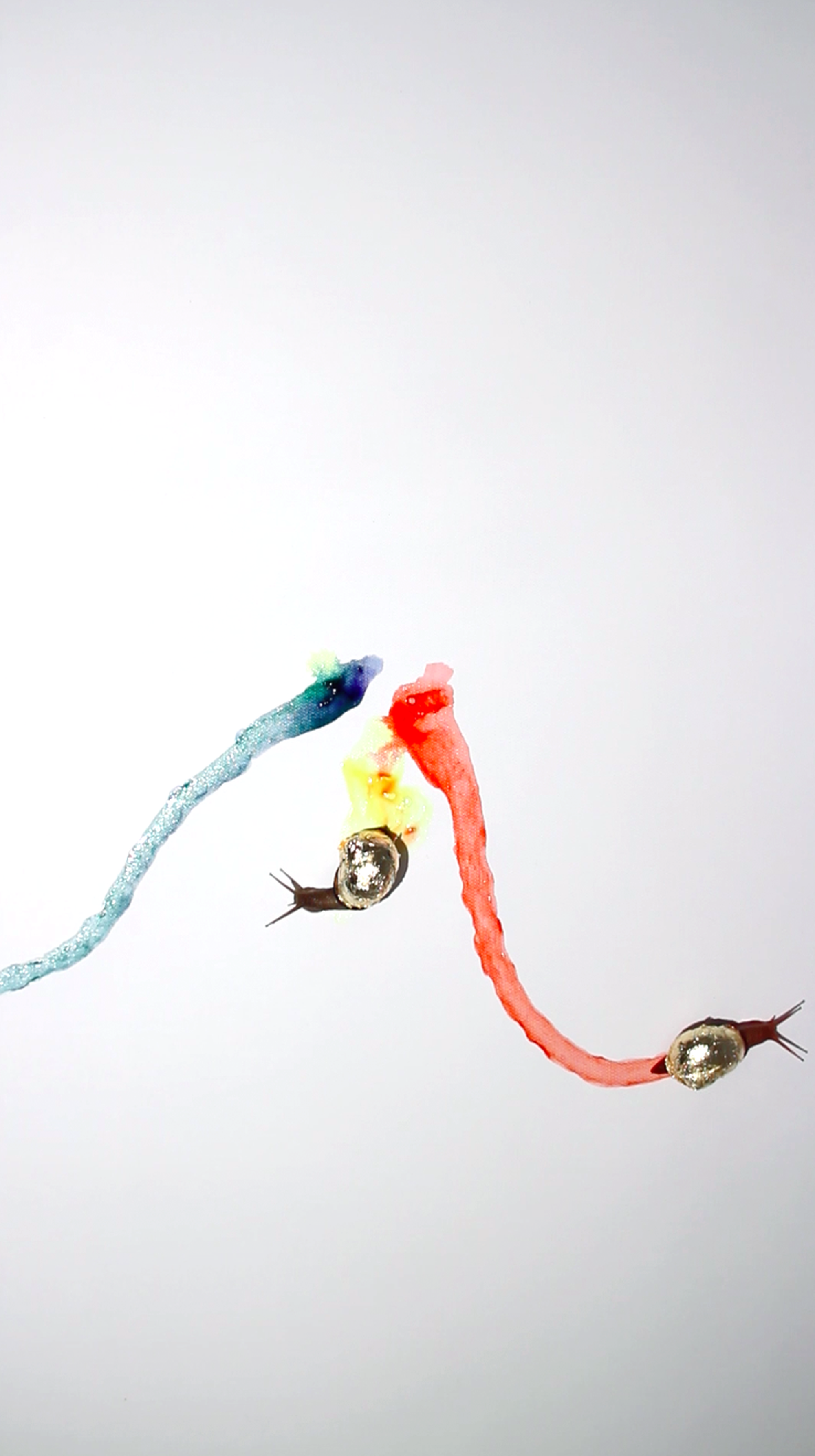
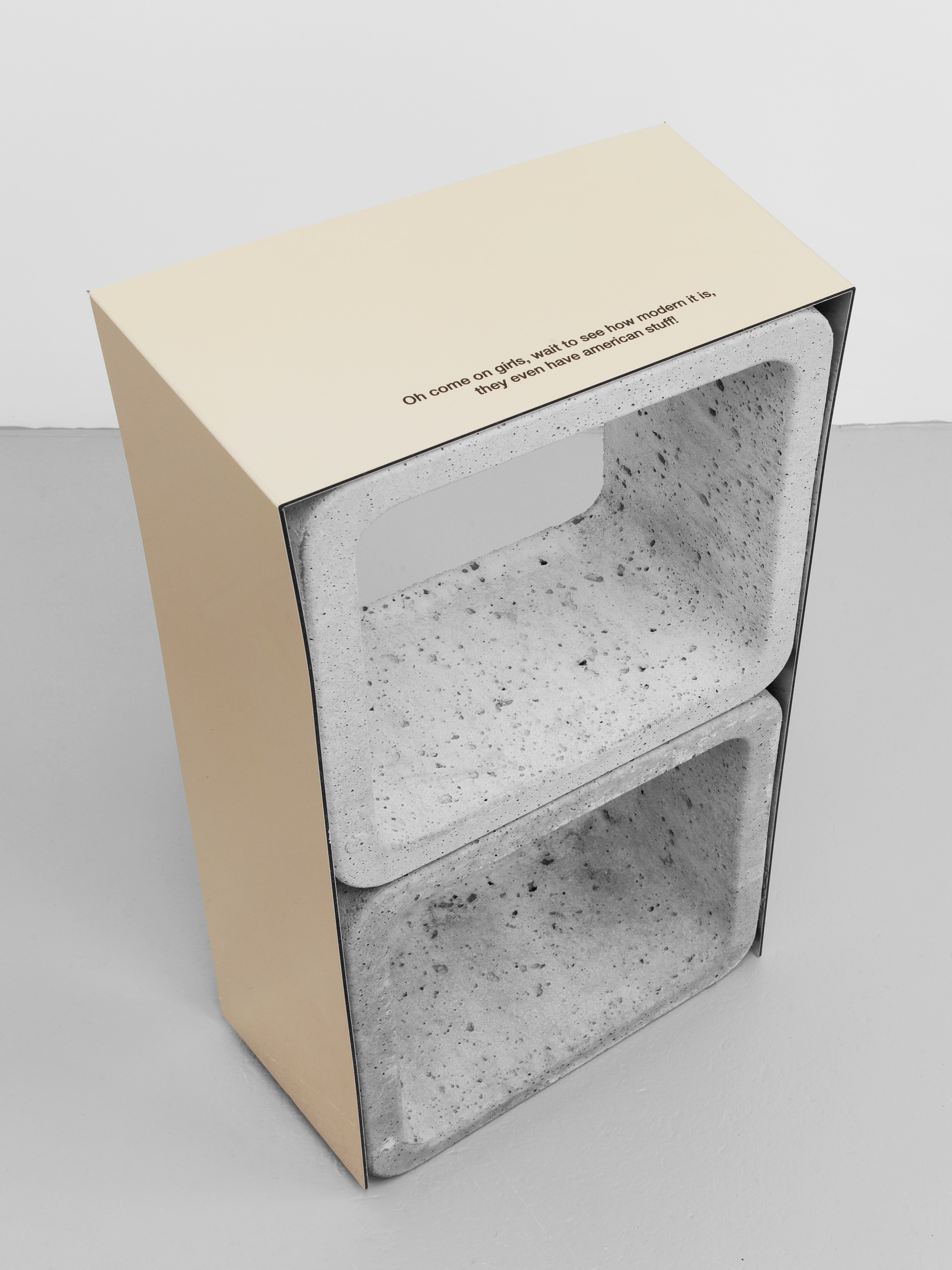
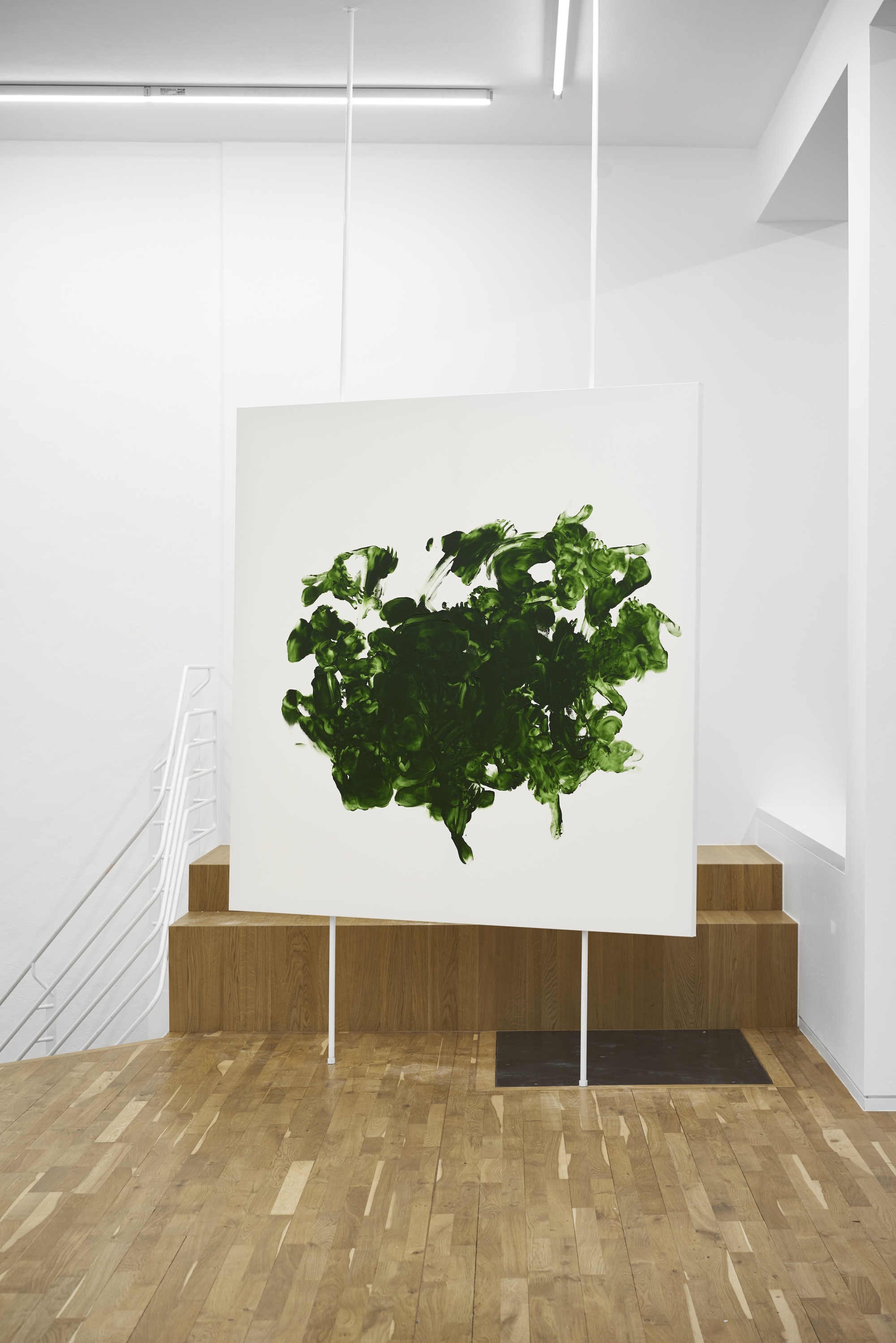
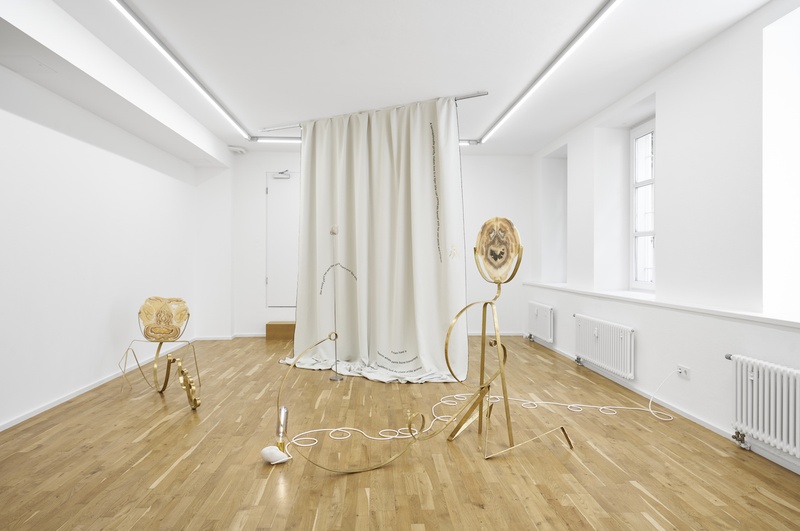
The French Academy Dictionary defines the “Pièce Montée” as a “large cake, erected so as to serve as ornament and often imitating architectural forms.” By using different but nevertheless comparable techniques of materials processing, of assembly and of construction, pastry offers a dreamlike and exuberant vision of architectural forms. Pauline Beaudemont’s art deals with this pastry eyes, moulding kugelhopfs, cakes and meringues in concrete to create totems that owe as much to Vatel than Le Brun, to Pierre Hermé than Le Corbusier, to Willy Wonka than the Doric order.
The artist also made a habit of getting into modernist buildings. She haunts with her dreams, her images and her actions that modernity that obsesses us. Through her interventions, she reveals -in the photographic sense- a buried subconscious - perhaps a “hidden truth” in the words of Susan Sontag. By overlapping mental images whispered by the context, on symbolic places, the artist transforms the architecture into a projection surface, both of herself and her fantasized doubles. She reactivates the utopian nature of the monument, but according to the distorting mirror of multiple layers of representation, being specific to the artist herself, from the cinema, or from the collective imagination.
A kind of supernatural acts through the process of transforming material. There is a miracle to watch egg whites being beaten, as there is to reveal an image in the darkroom. In return, there is some waste in the process. Utopia is pure ideal creation. As soon as it’s being exposed to reality, it deteriorates. The free movement of the mind is weighted by technical heaviness.
This mechanism of enchantment and disenchantment is at the heart of Pauline Beaudemont’s work, which literally seeks to highlight mental strata, phantasmagorical screens and narratives that are inserted between idea and its materialization and between reality and its representation. From this game on apparition and retinal persistence spring, we suspected, the spectra, the ghosts and other lost souls that the first photography enthusiasts were looking to capture through the daguerreotype. Read More