
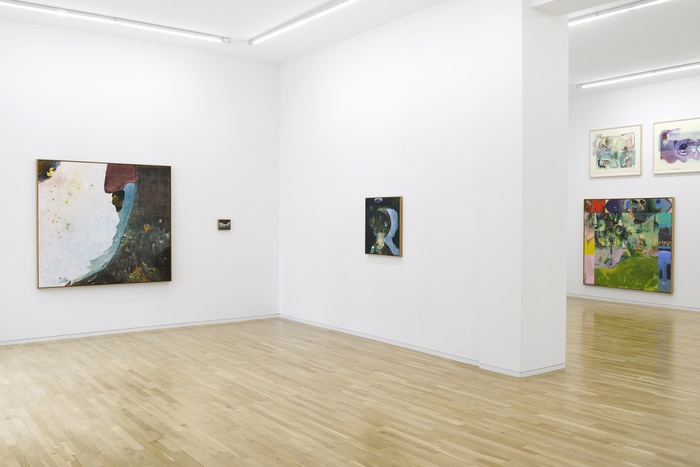
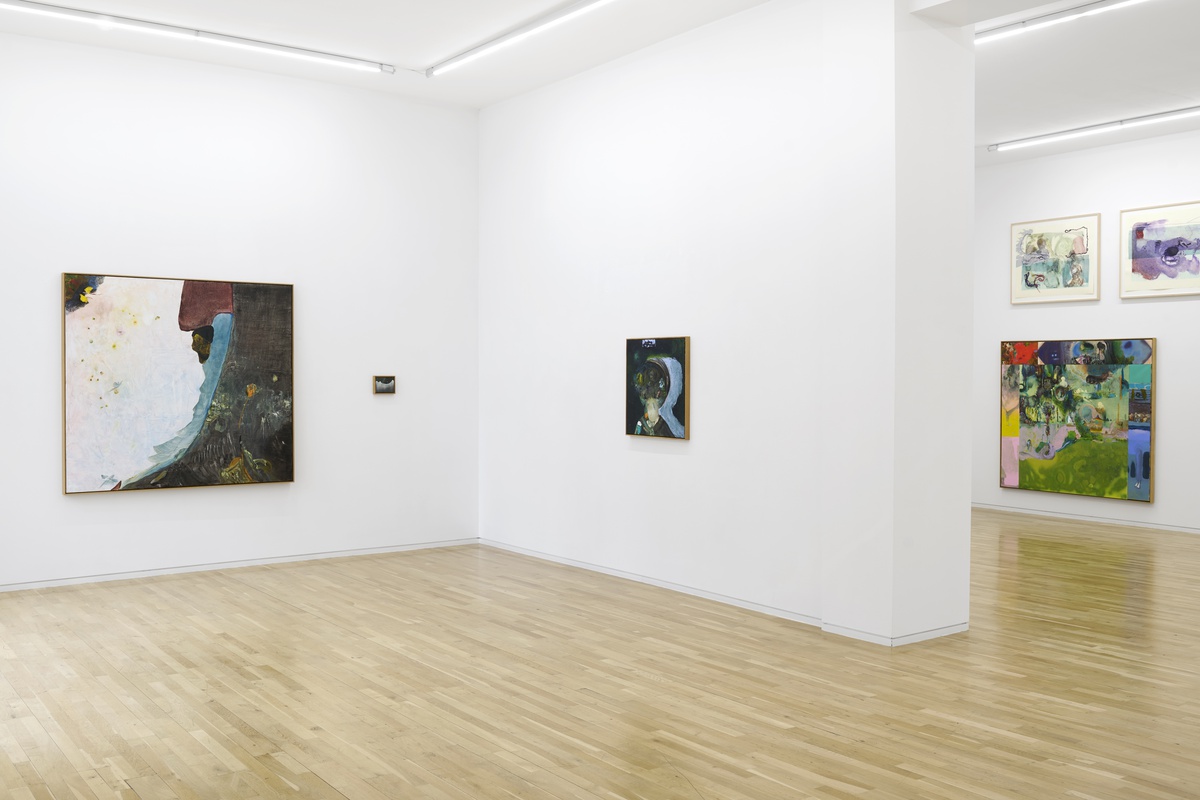
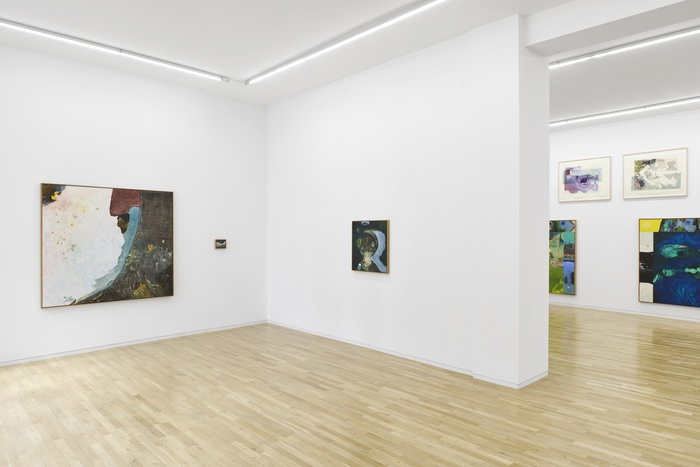
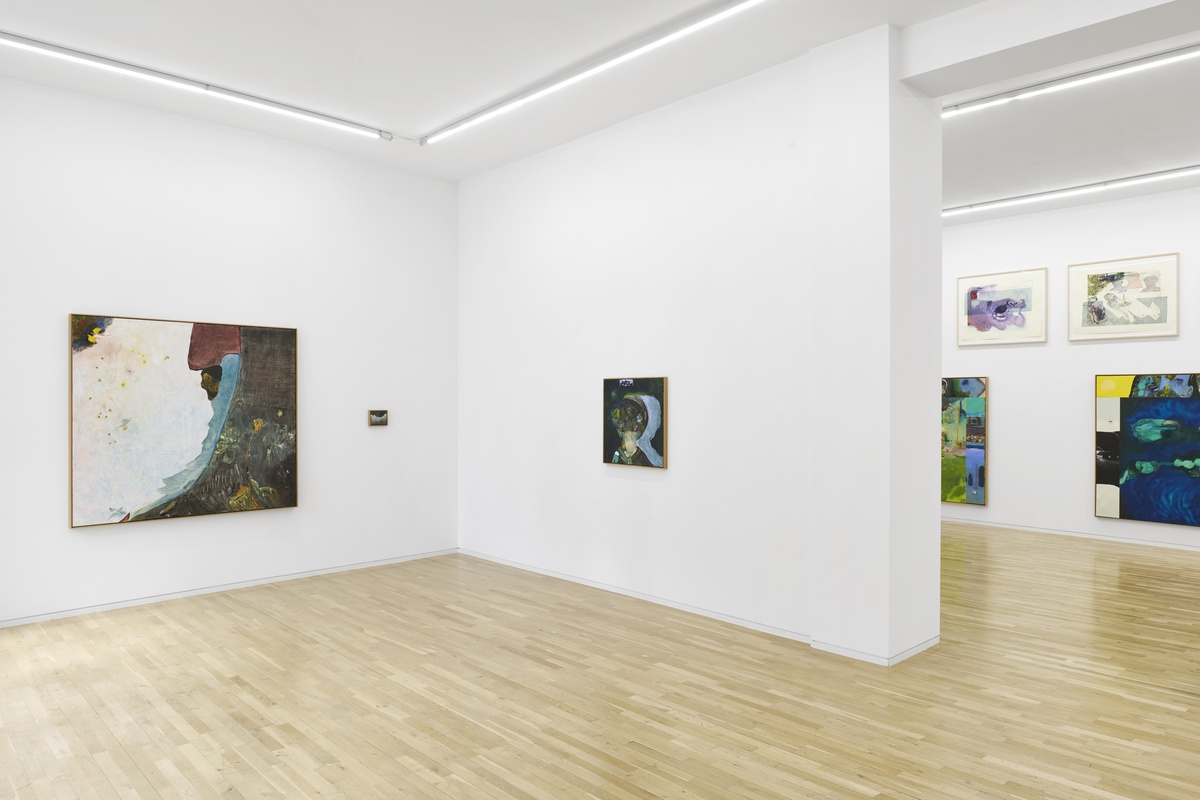
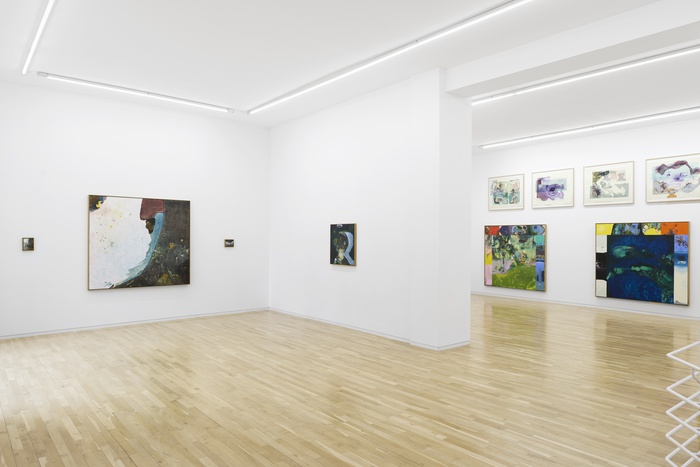
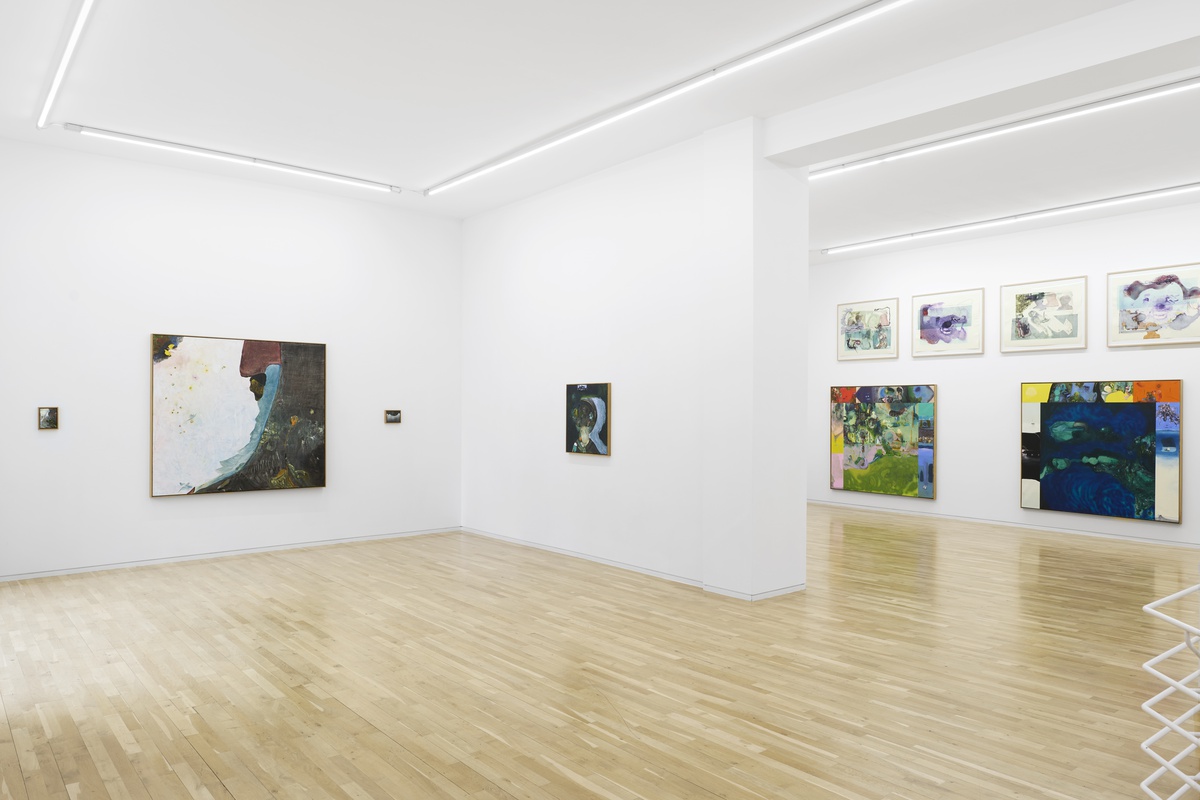
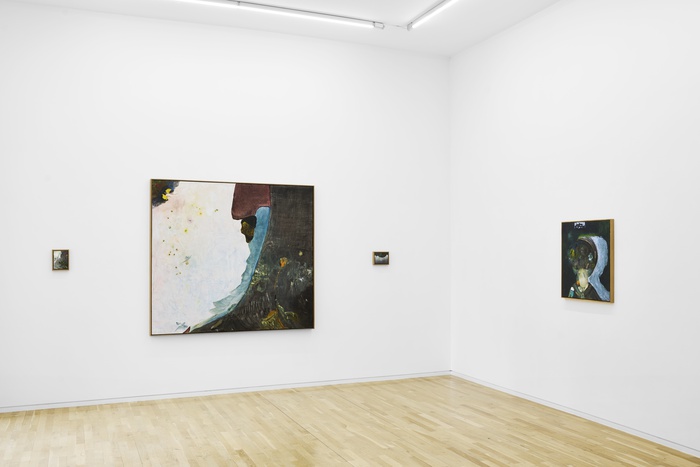
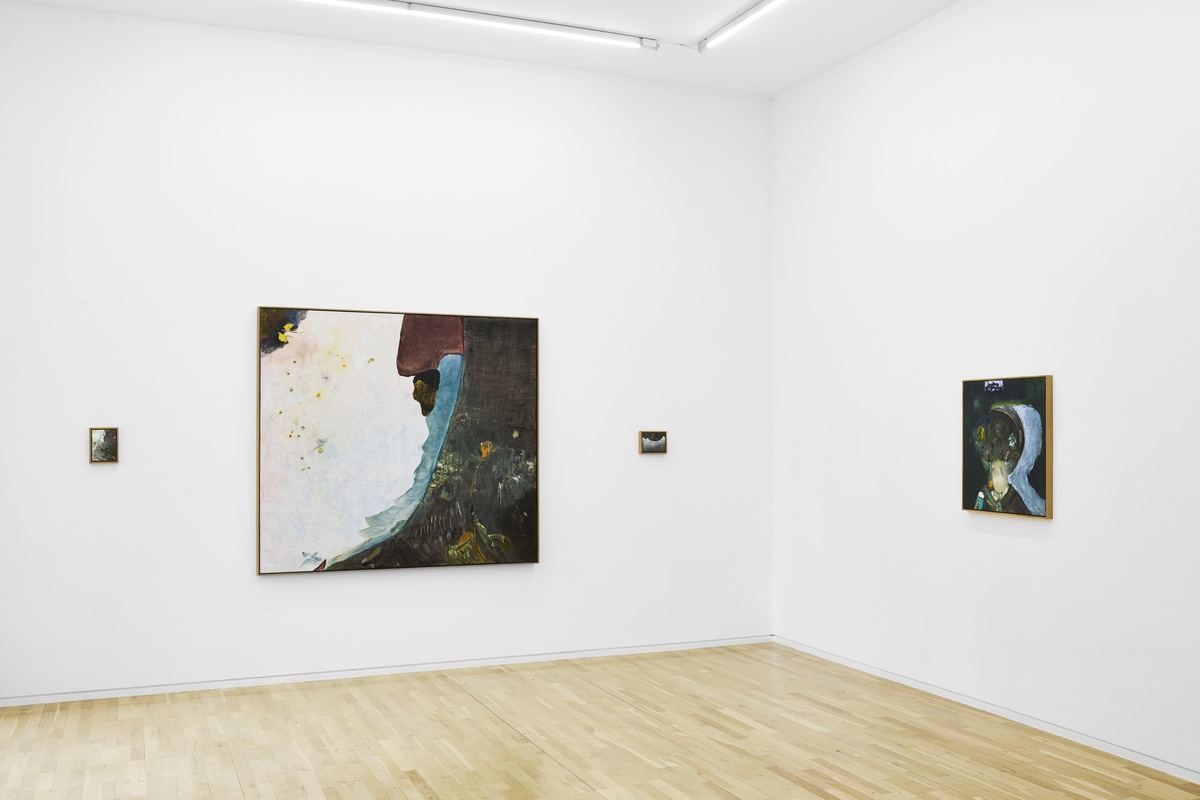
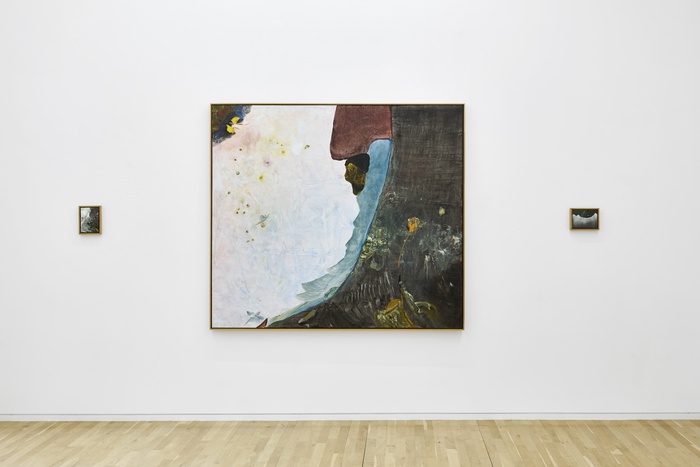
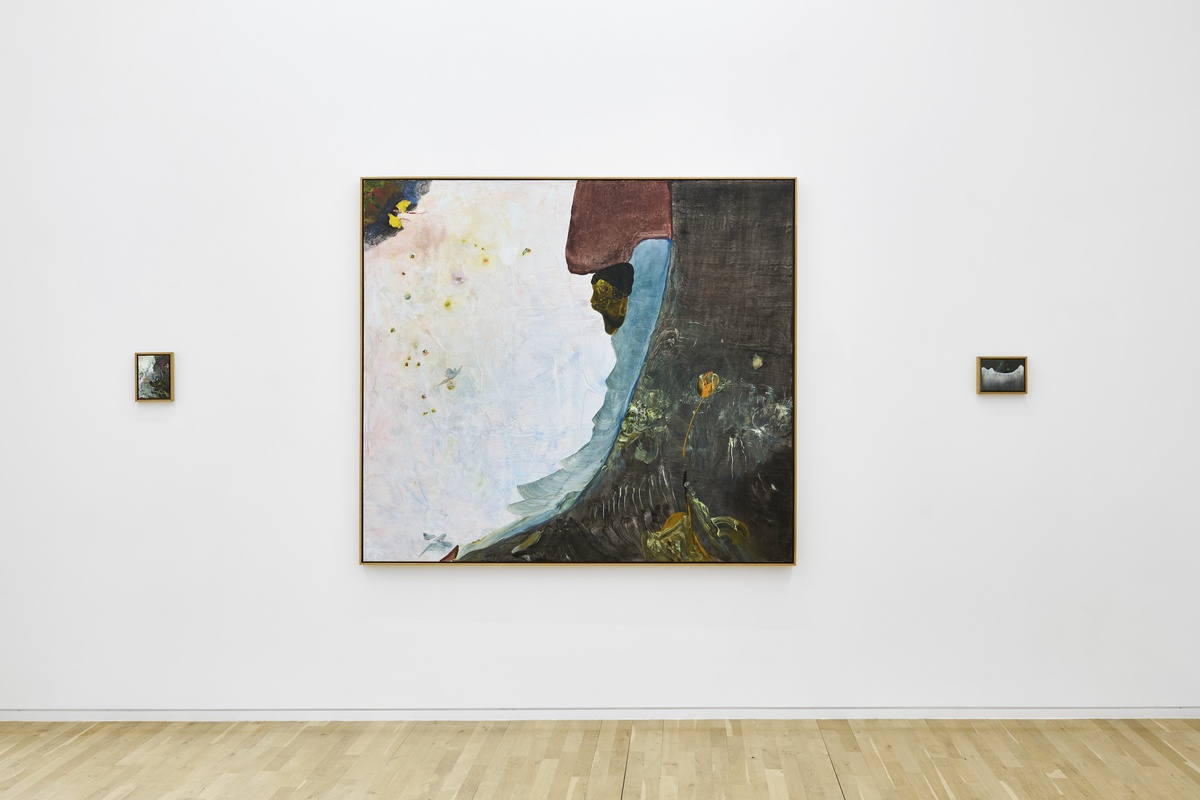
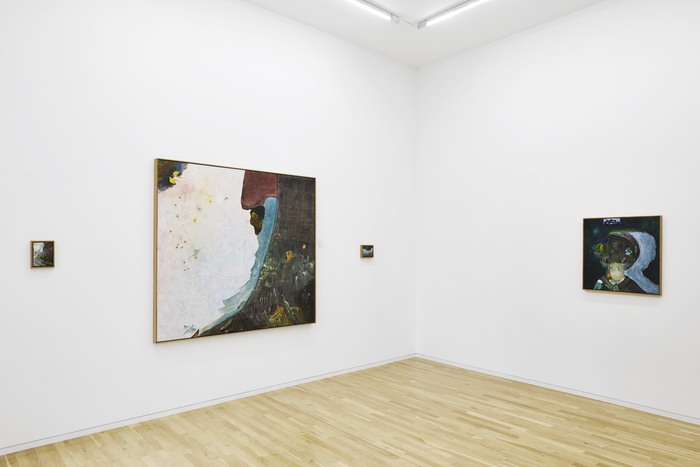
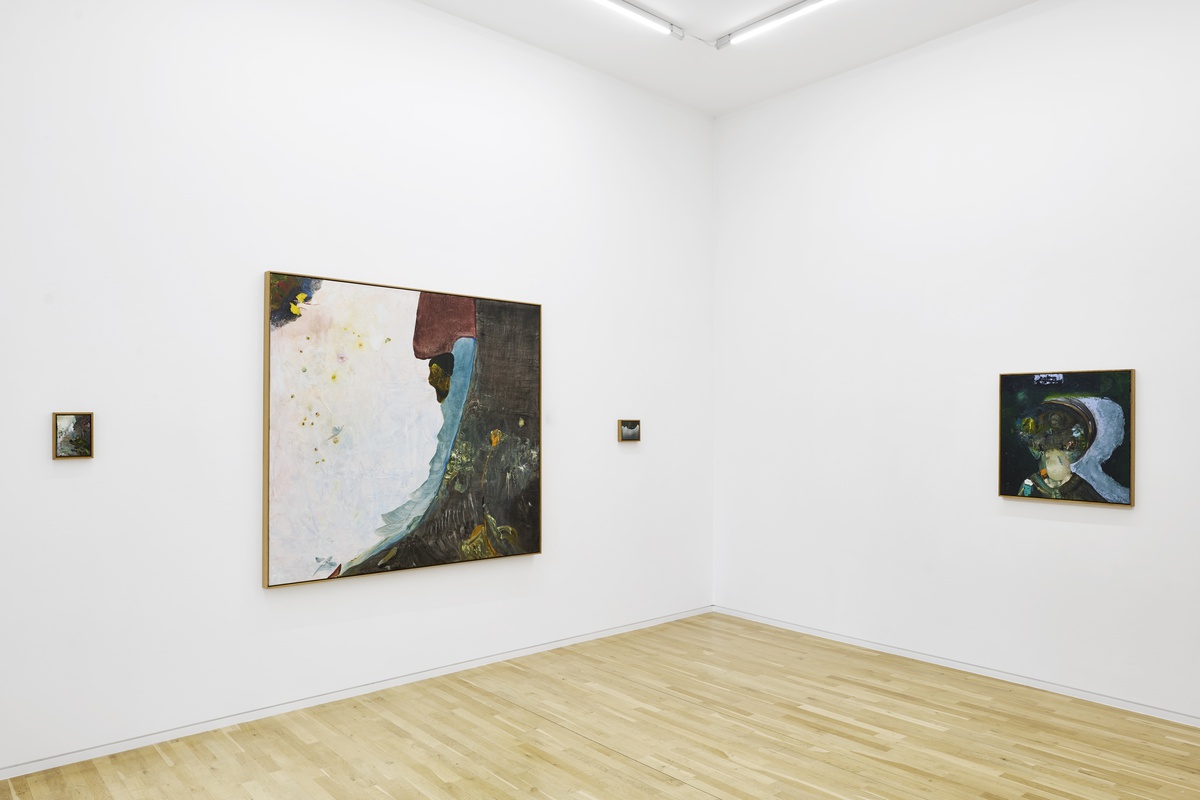
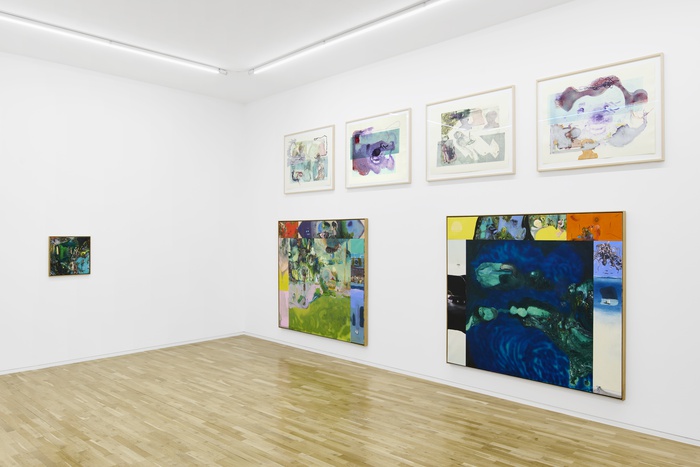
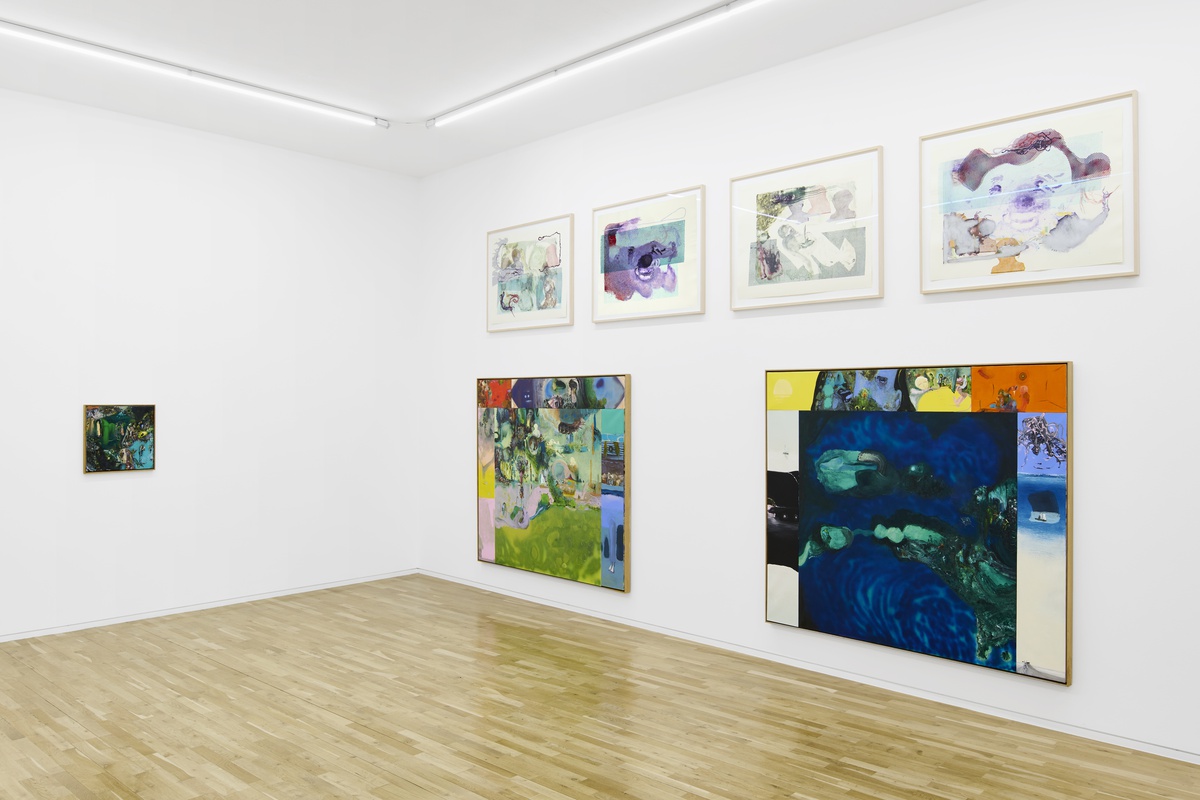
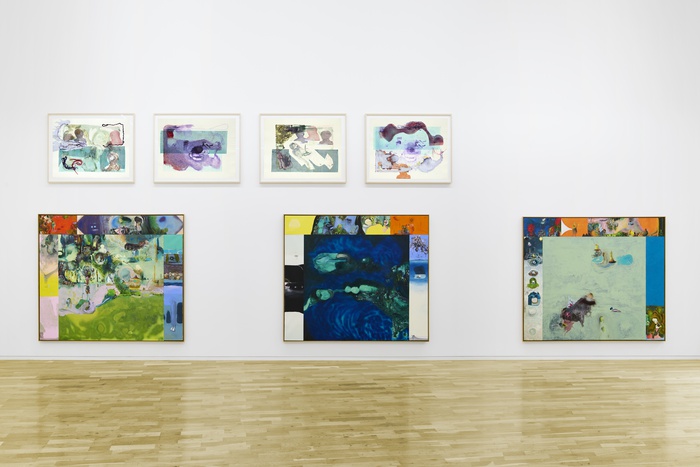
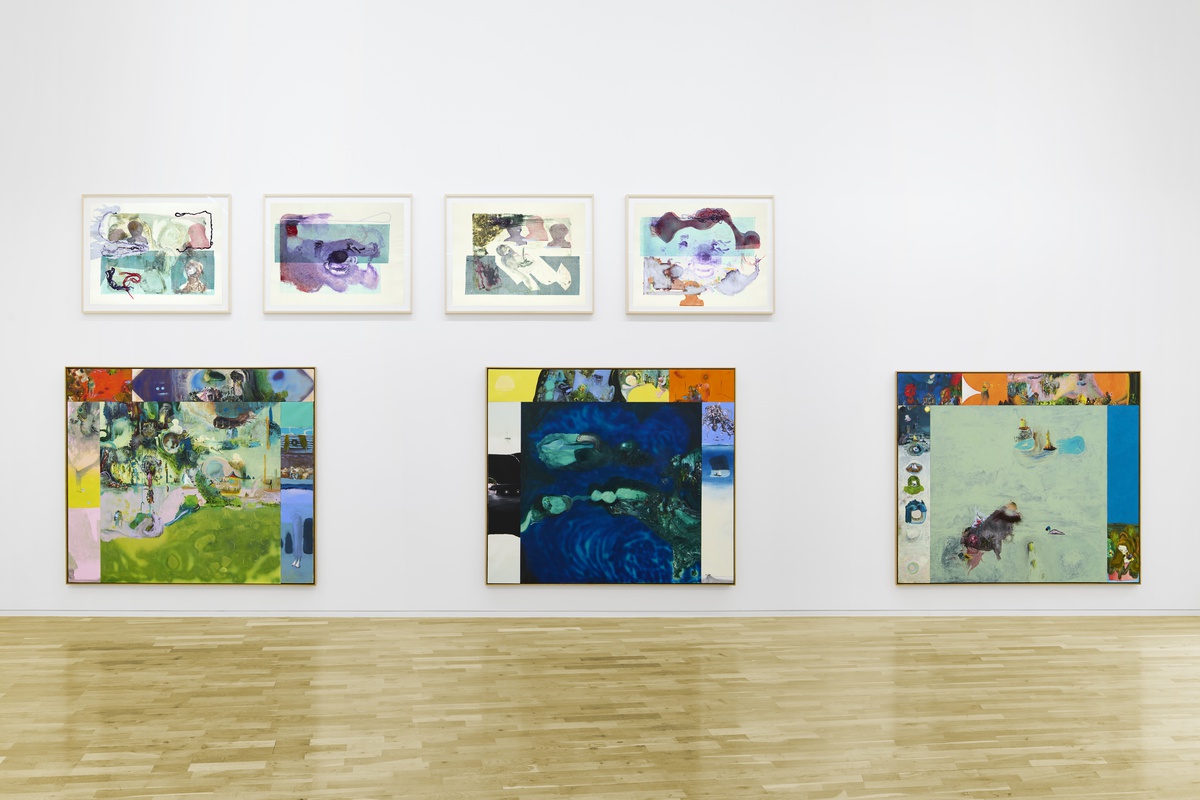
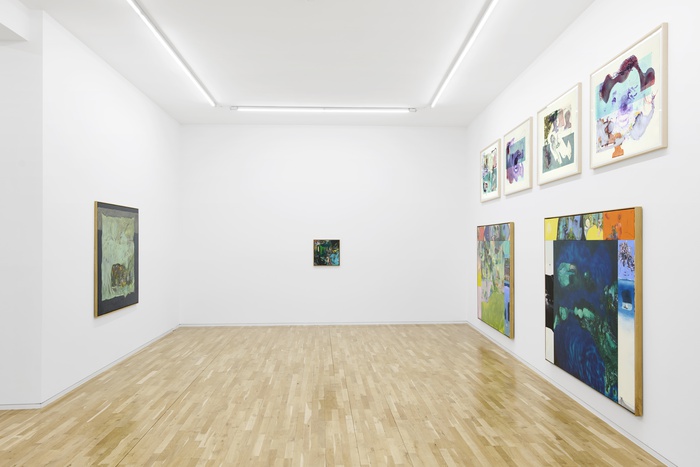
Installation view, Jahn und Jahn, Munich, 2026
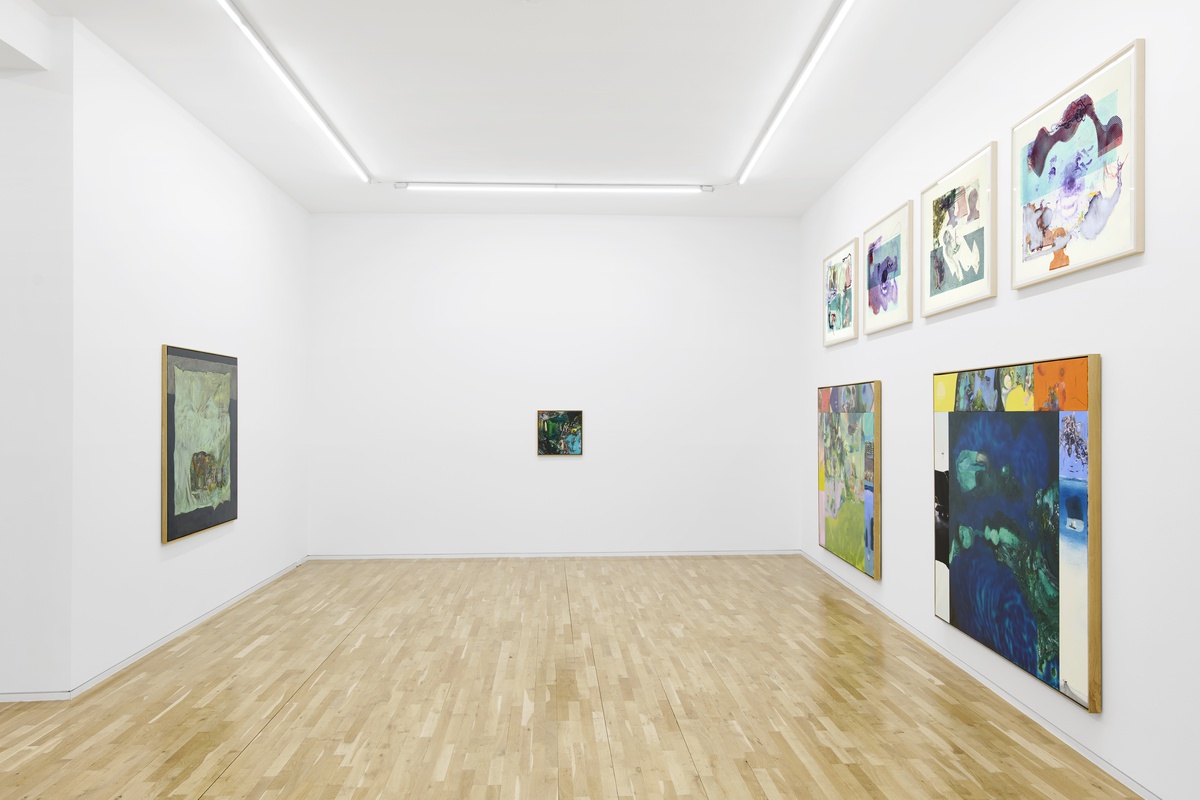
Installation view, Jahn und Jahn, Munich, 2026
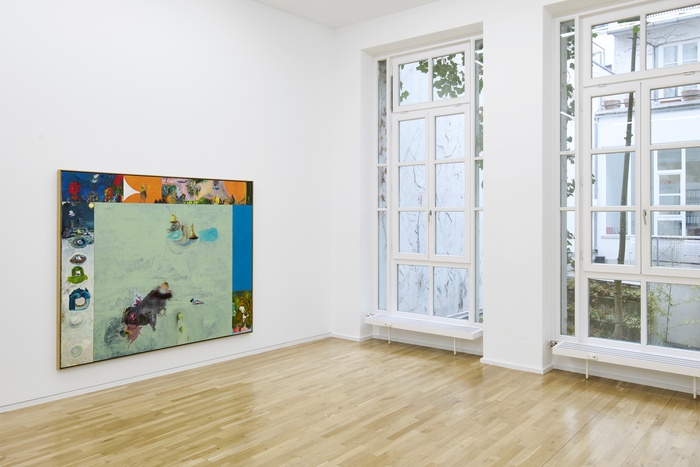
Installation view, Jahn und Jahn, Munich, 2026
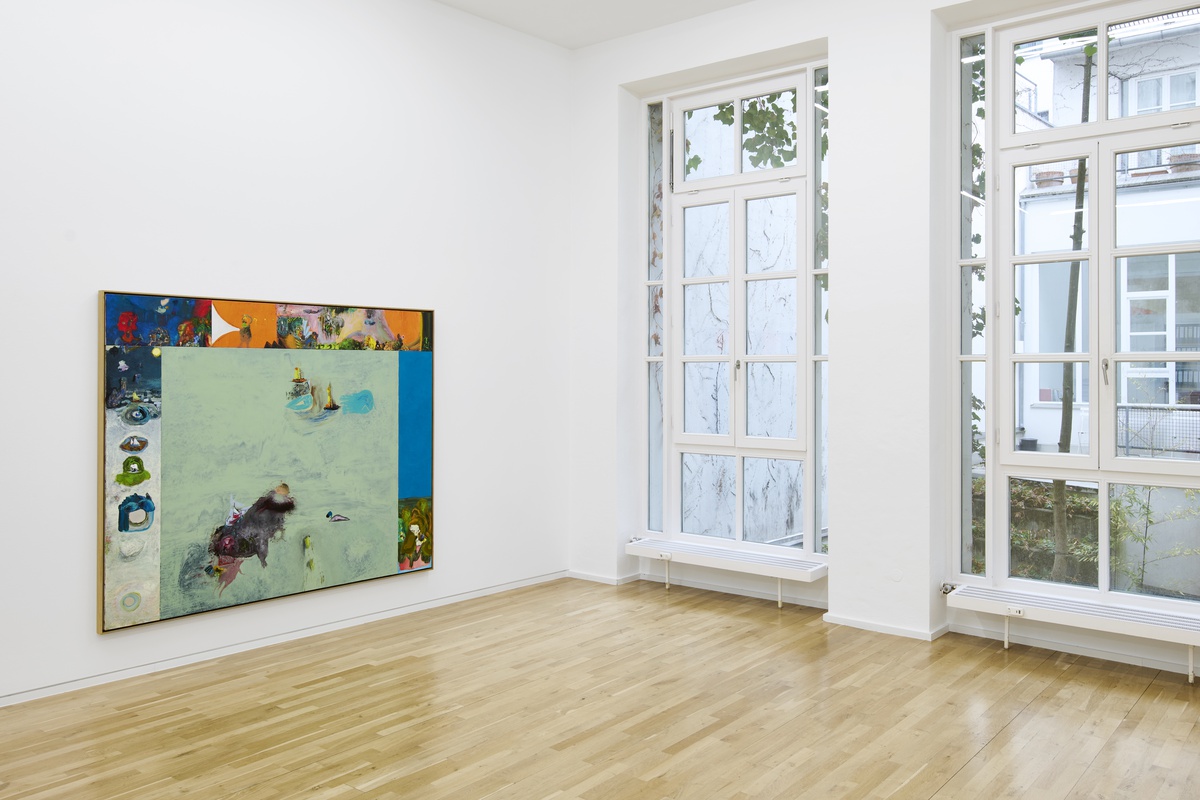
Installation view, Jahn und Jahn, Munich, 2026
Installation view, Jahn und Jahn, Munich, 2026
Installation view, Jahn und Jahn, Munich, 2026
Installation view, Jahn und Jahn, Munich, 2026
Installation view, Jahn und Jahn, Munich, 2026
Installation view, Jahn und Jahn, Munich, 2026
Installation view, Jahn und Jahn, Munich, 2026
Installation view, Jahn und Jahn, Munich, 2026
Installation view, Jahn und Jahn, Munich, 2026
Installation view, Jahn und Jahn, Munich, 2026
Installation view, Jahn und Jahn, Munich, 2026
Installation view, Jahn und Jahn, Munich, 2026
Opening on March 26, 6 to 8pm
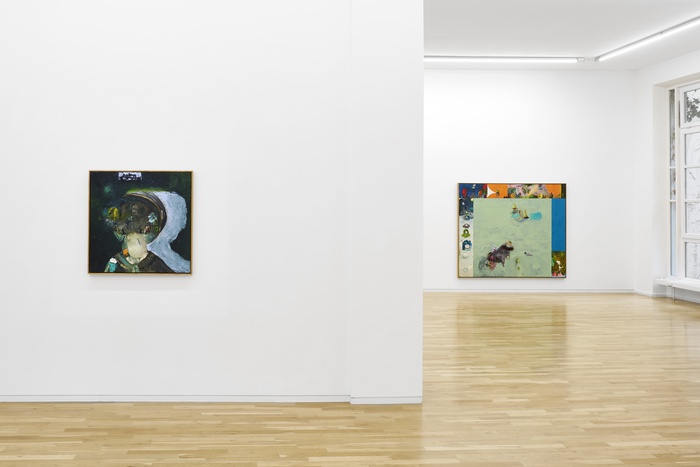
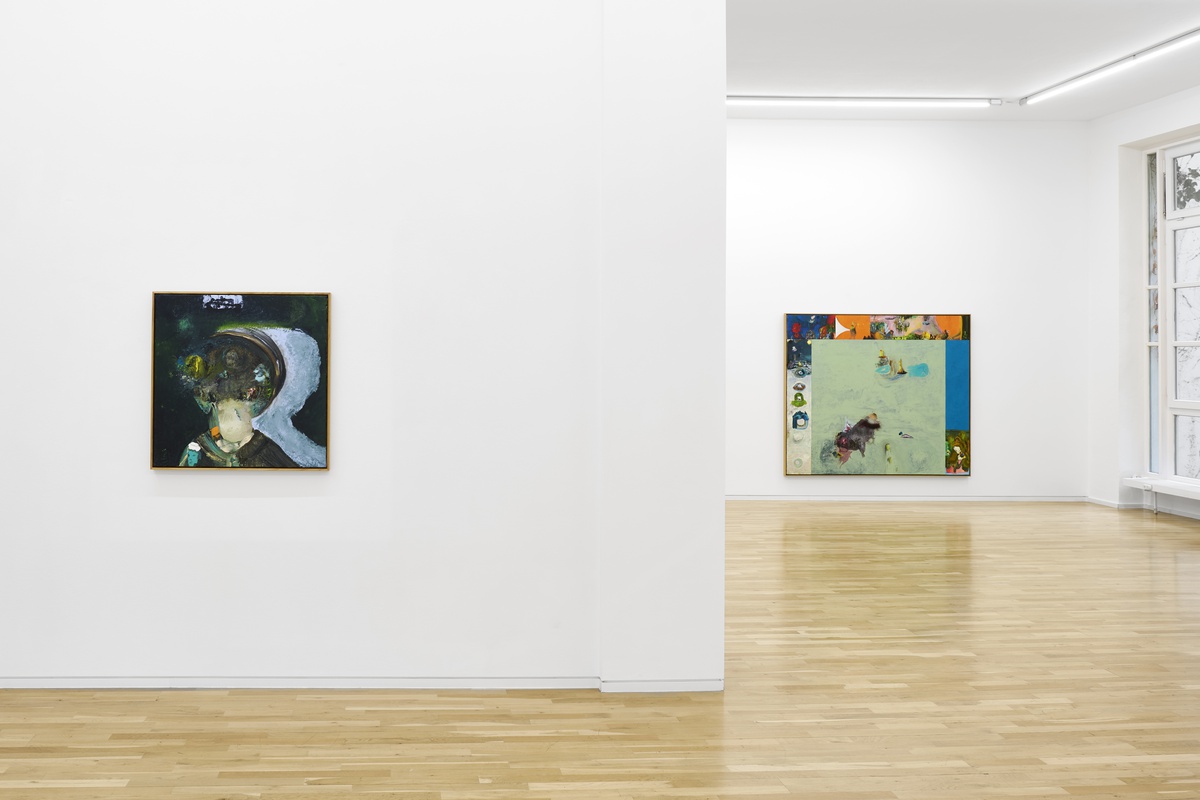
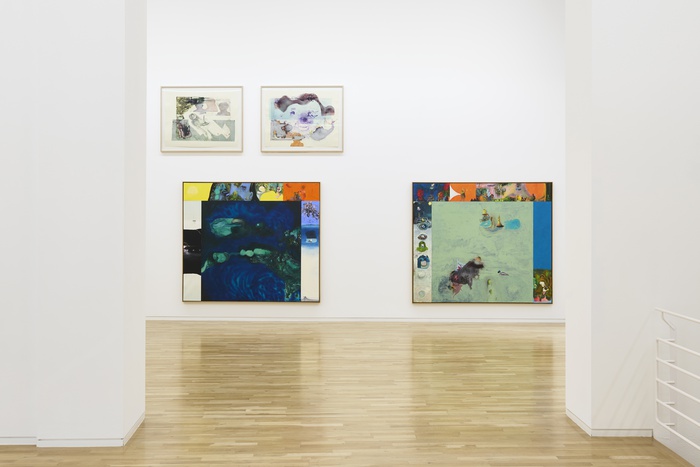
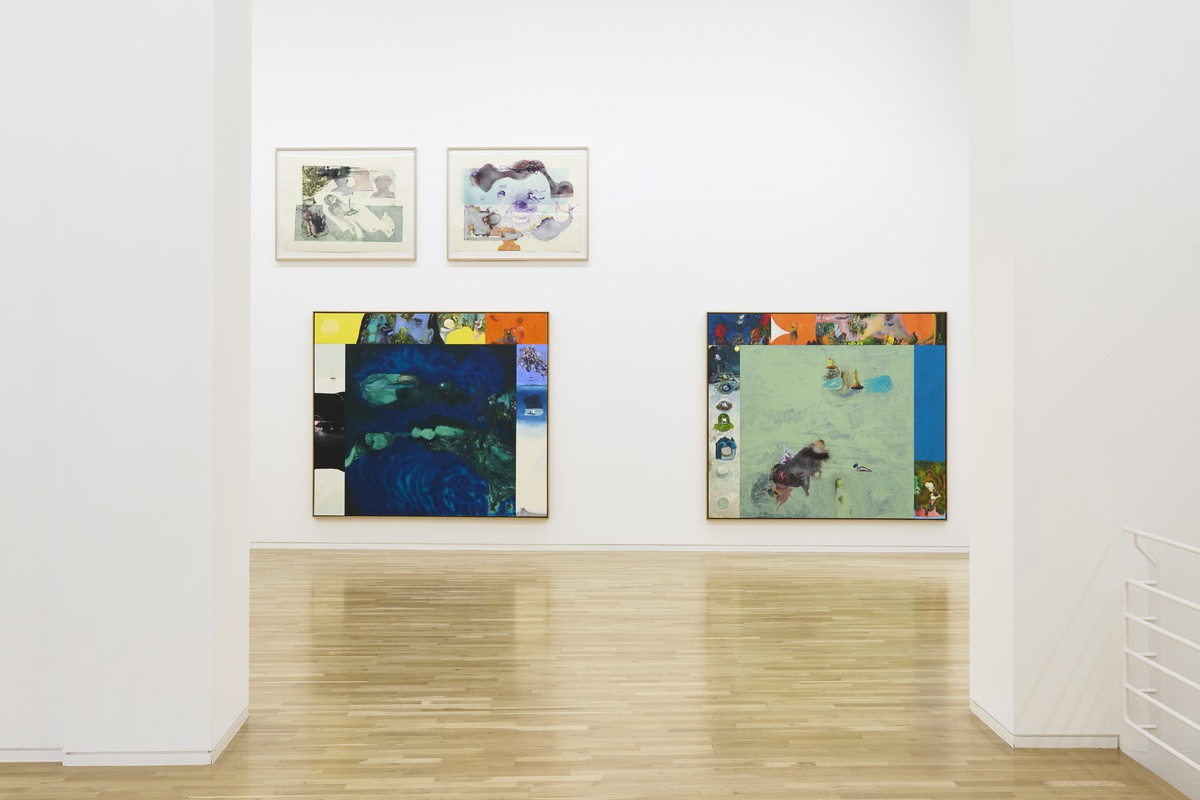
The imagination of the Portuguese painter and draughtsman Jorge Queiroz appears inherently unreal. Ambiguous – dreamlike, fluid states of suspension define the spaces in his paintings. There is nothing static or immutable about them, nor any hint of finality; rather, the painter evokes, in a meandering manner, diffuse processes of metamorphosis without beginning or end. His creative work consistently takes the form of multi-part series, in which it is not the individual image but rather the interplay of a multitude of forms and colours that dominates, extending beyond the bounderies of the picture.
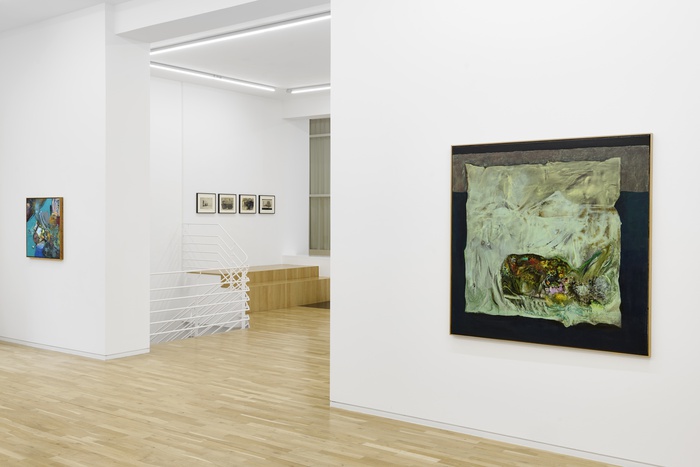
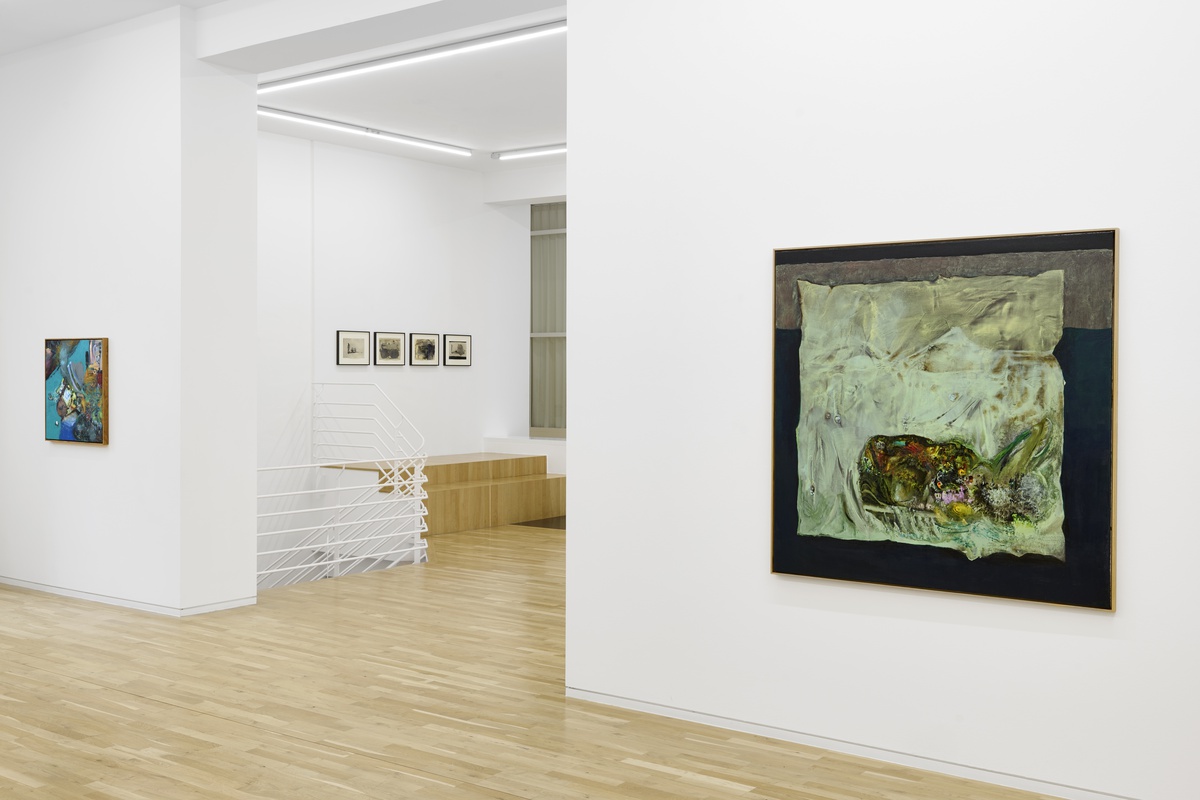
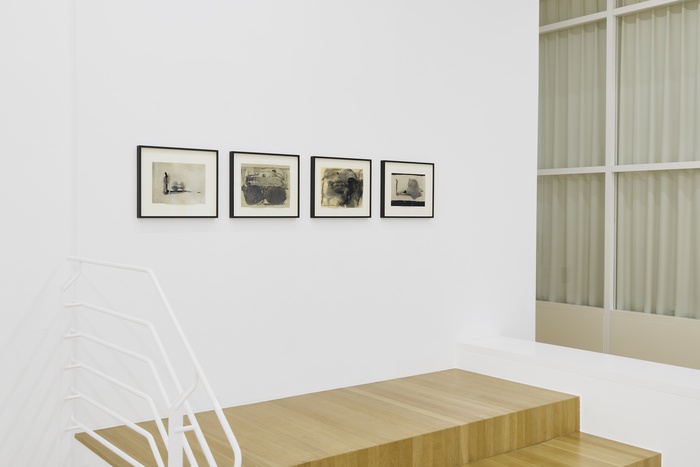
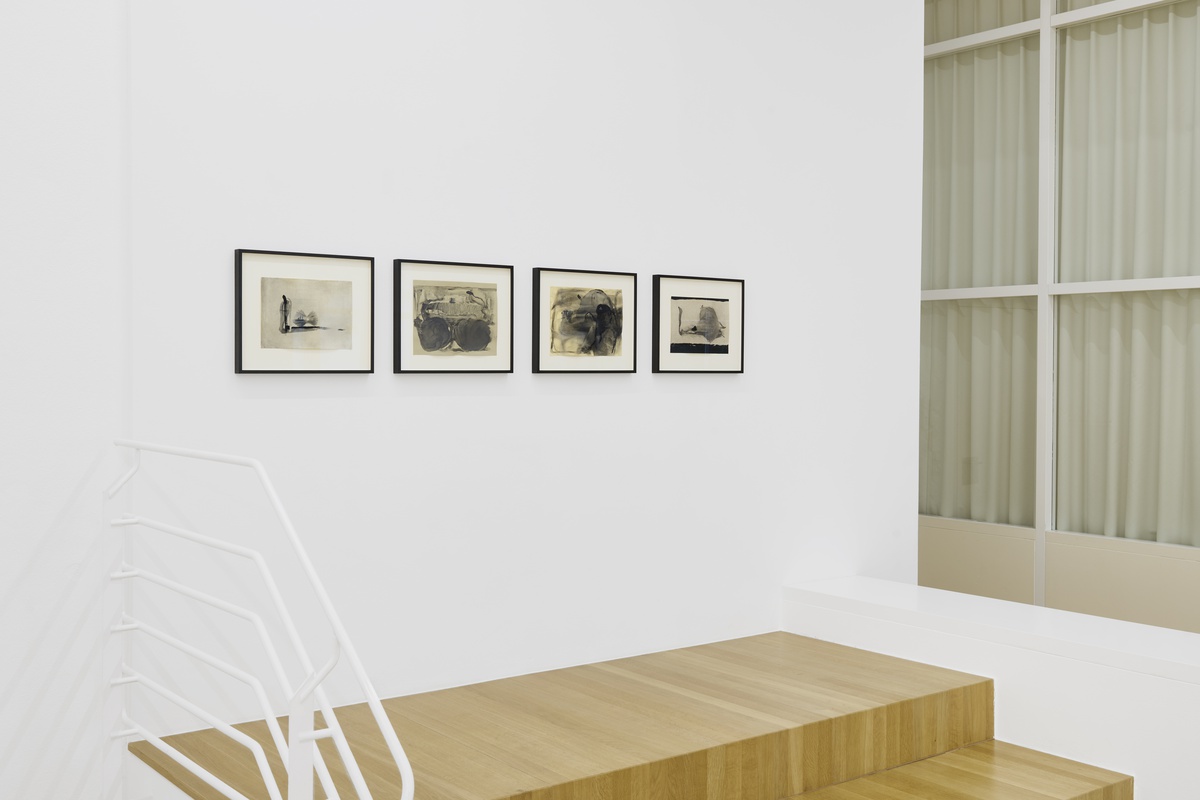
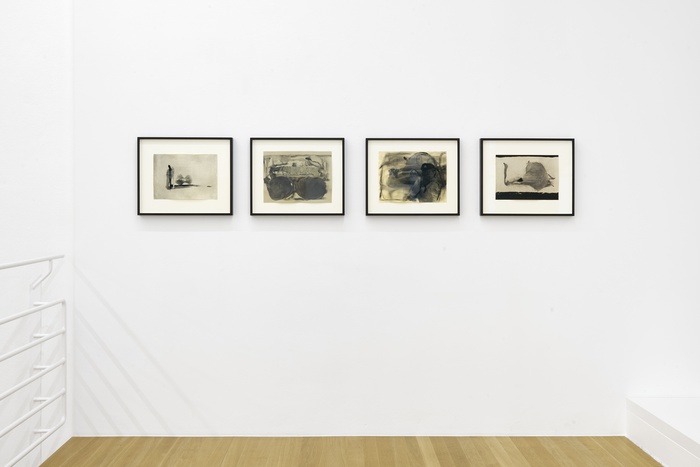
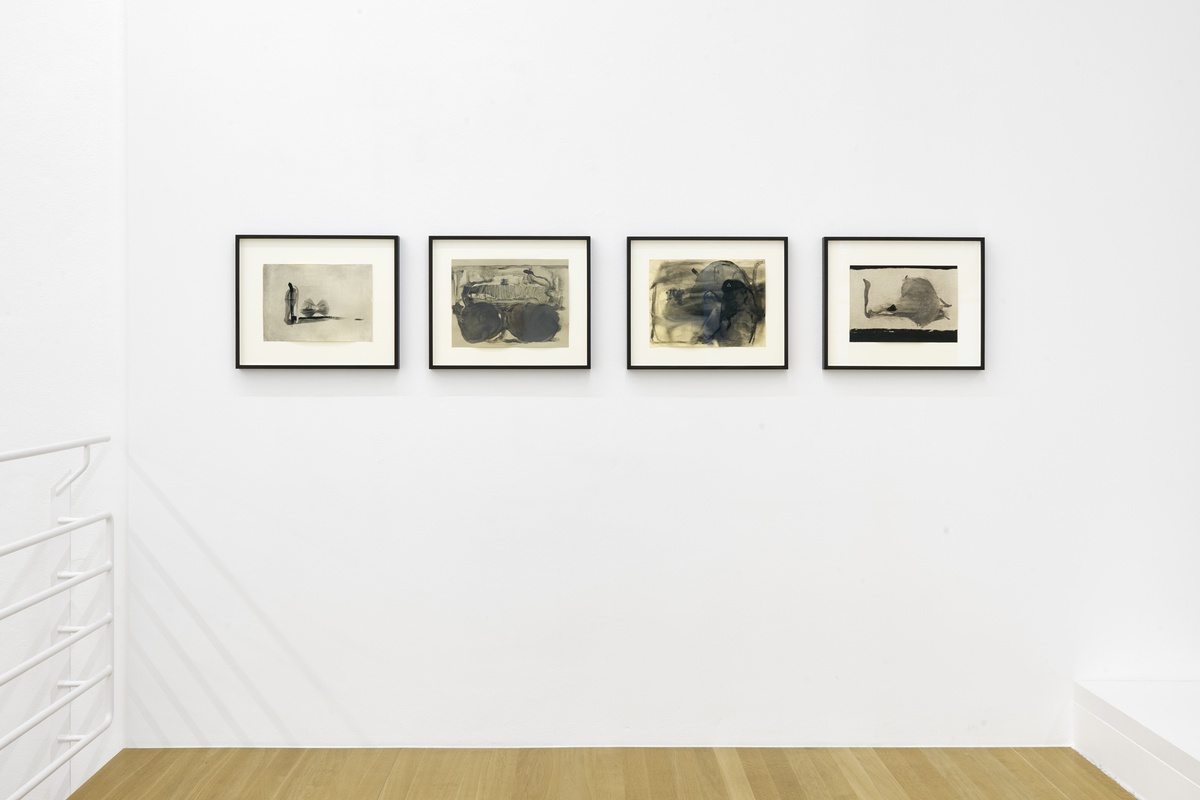
In his second solo exhibition in Munich since 2023, the artist is exhibiting three large-format paintings accompanied by smaller panals on either side, all bearing the title ‘The nerve of the tide’. Related to this theme are four smaller mixed-media works on paper, created back in 2012, entitled ‘Seascape 1-4’. By choosing a landscape format and incorporating horizon lines, the artist empasises the sense of a landscape here, even as the grisaille tones cast everything recognisably representational into a milky blur. These are clearly ‘seascapes’ or ‘coastal landscapes’, a subject he revisits in his large-scale paintings and which he here elevates to something primal through the intensity of the painting process. The viewer feels drawn into a intense whirlwind of colour, which seems to make the ebb and flow of the tides physically tangible. Queiroz enchants us with a world of colour dominated by maritime shades of blue and green, which constantly shift towards turquoise, whilst also allowing for shades of pink and yellow. This applies equally to the recent series of square-format works titled ‘Knots’.
“I like the colour, the fluidity and the marks left on the canvas.” With statements such as these, the painter aims to convey an almost sensual approach to the material. There is often something almost alchemical about his use of colour. One might think of the molten state of enamel, of iridescent amalgams or alloys that, as they fuse, constantly create new compounds and interconnections within the pictorial space. Queiroz embeds figurative or representational details – often difficult to decipher and only vaguely discernible – within the sfumato of his clouds of colour, from whose melodic flow the soft sound of the Portuguese language seems to emerge from afar.
Echoes of the aesthetics of Surrealism – in which the bounderies between the ‘reality’ of the external world and an imaginary, inner ‘dream world’ were blurred, and pathways to the unconscious’s reservoir of images were uncovered – seem to remain present in Queiroz’s paintings. There may also be an affinity with the Symbolist movement of the late 19th century – for instance, with the opulent use of colour characteristic of Gustave Moreau. But all these are merely associations and rough points of reference for situating these paintings within a historical context; they enrich the contemporary art scene entirely in their own right.
Michael Semff
