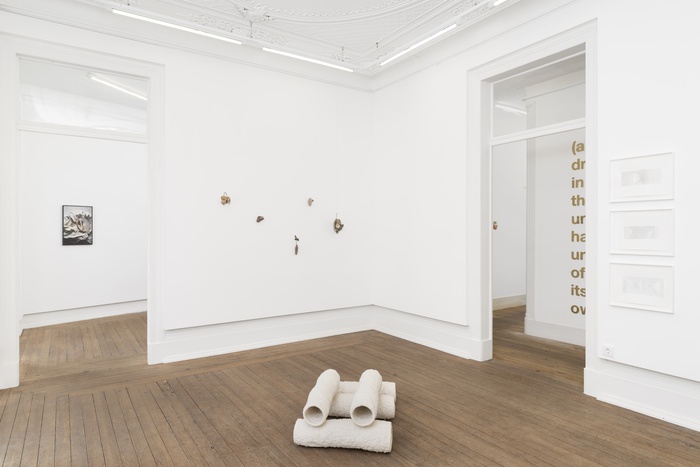
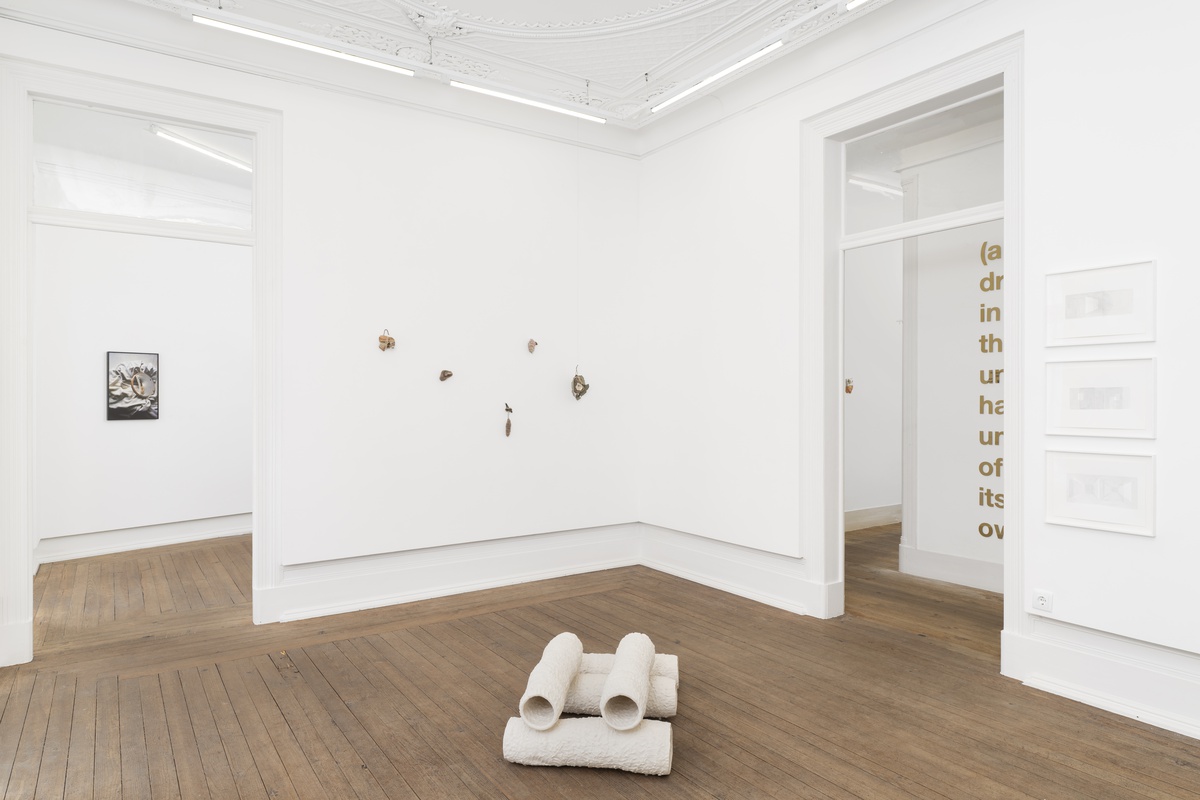
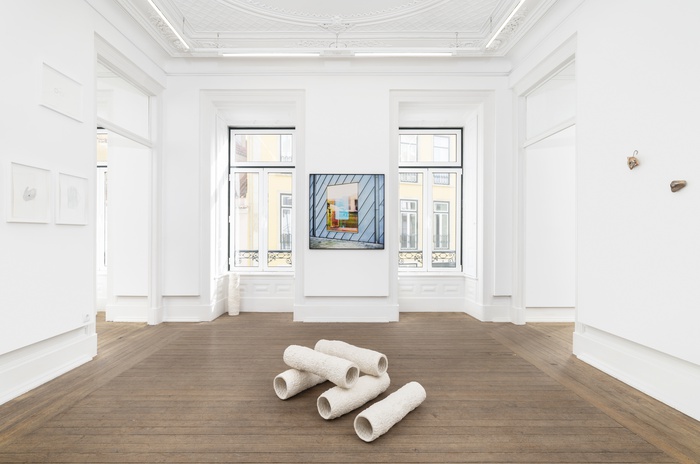
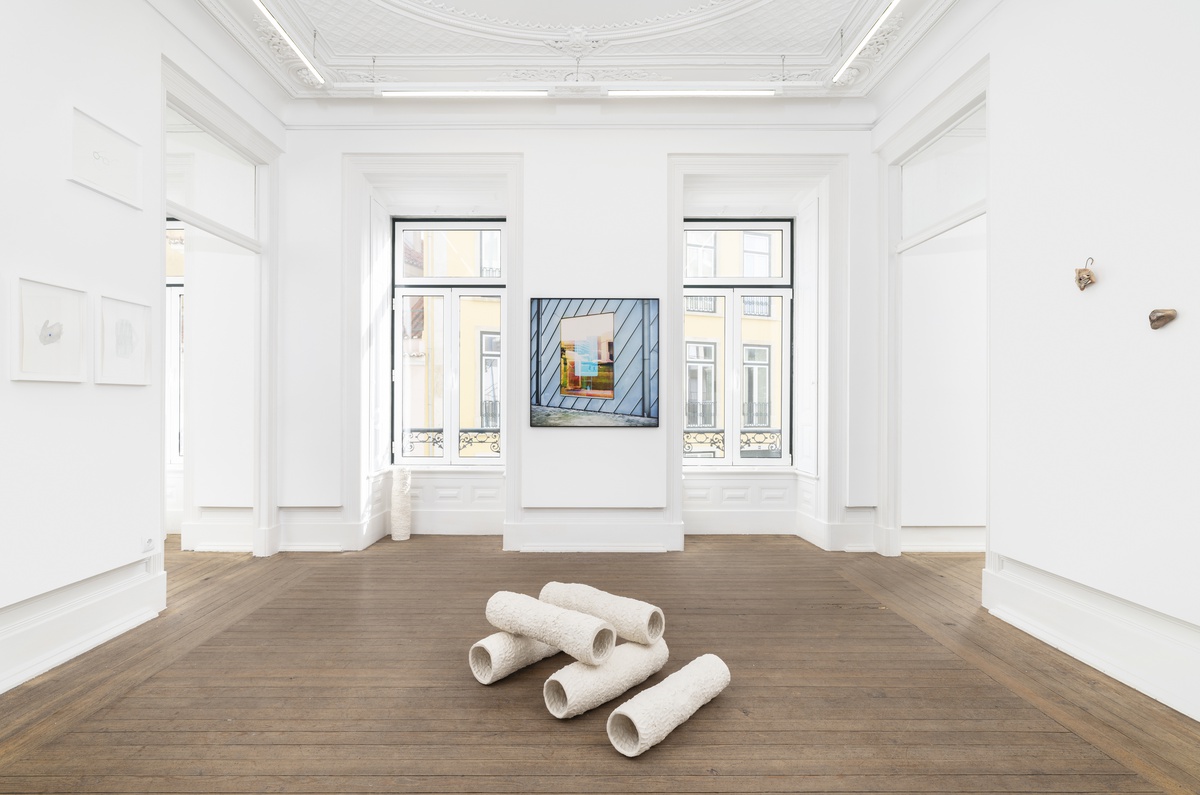
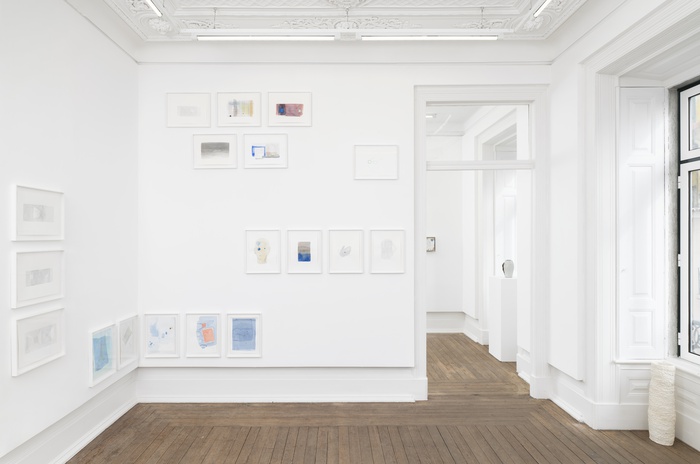
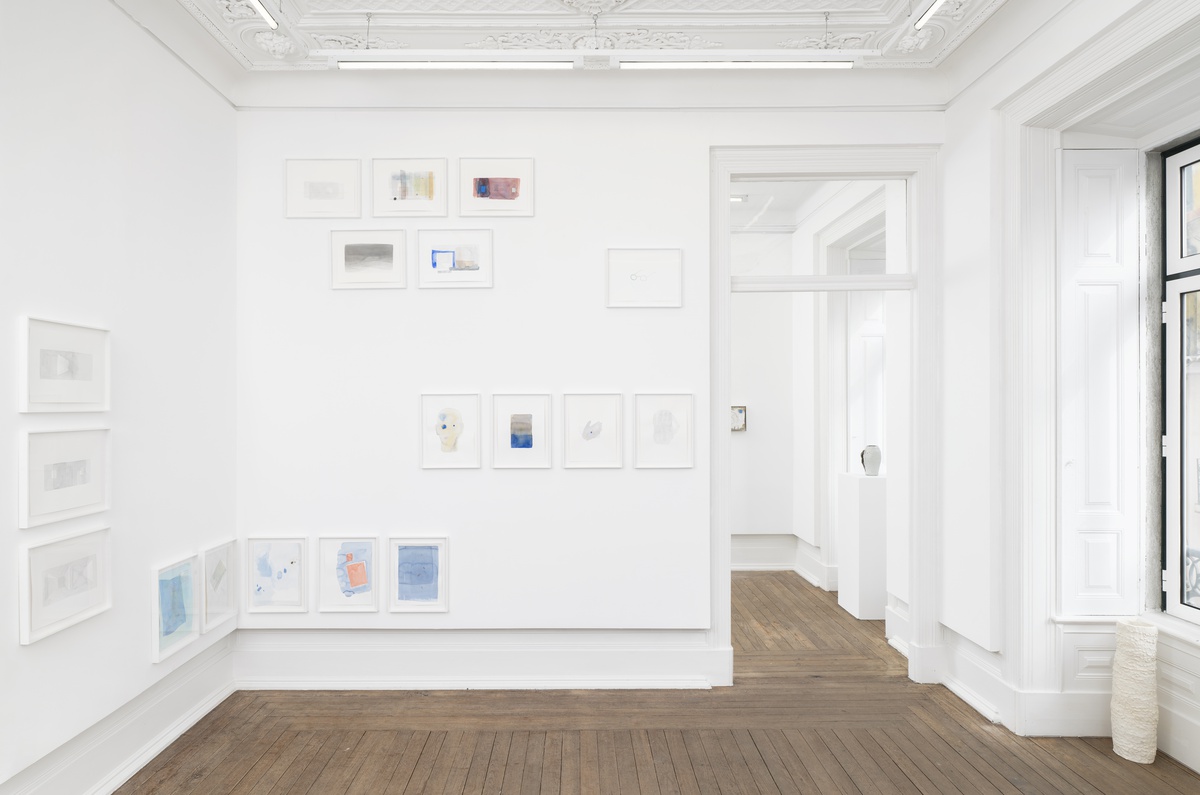
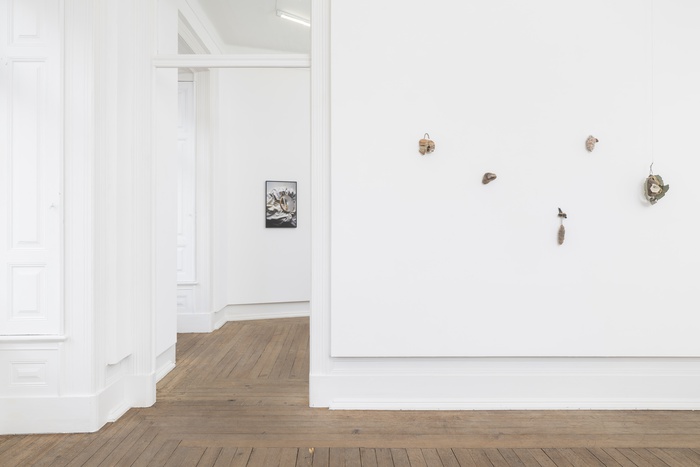
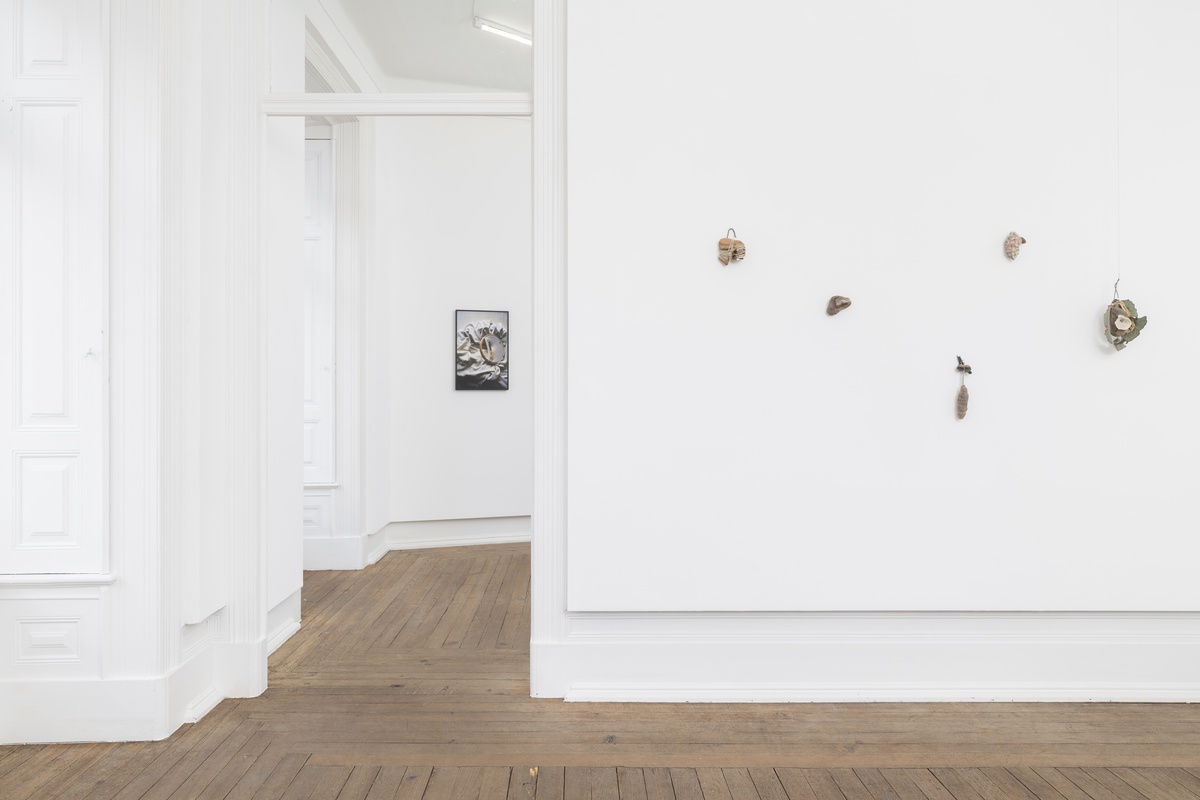
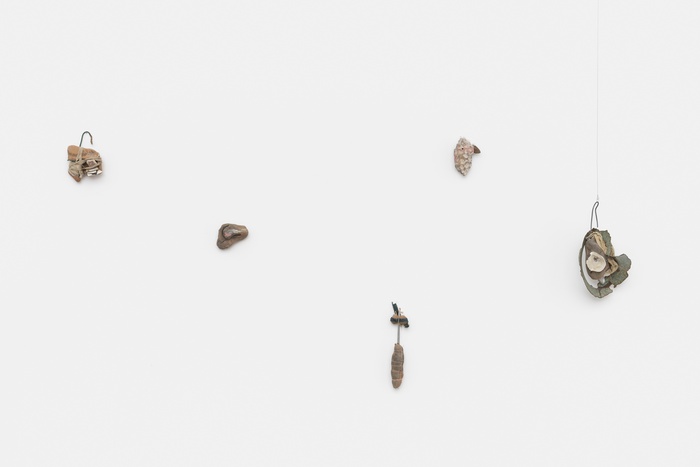
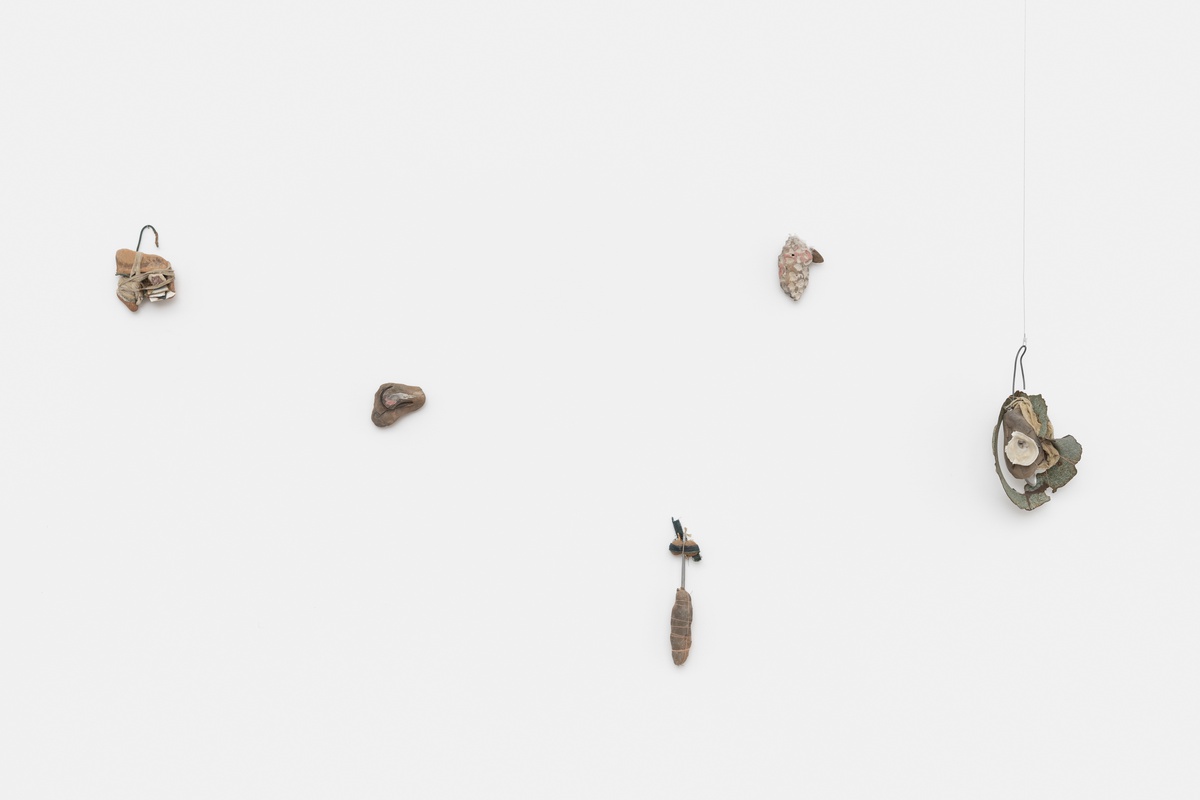
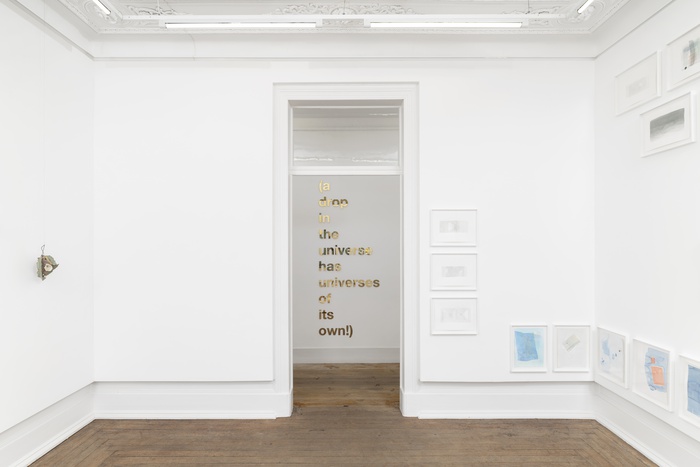
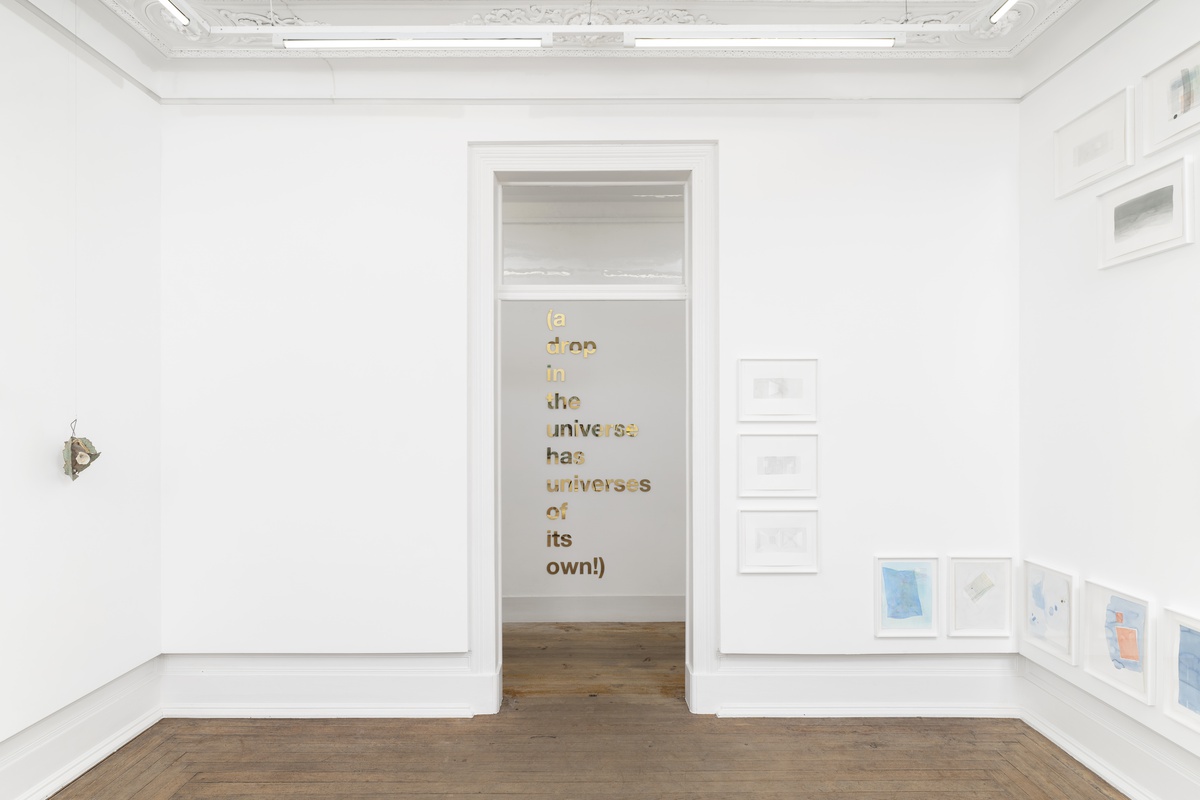
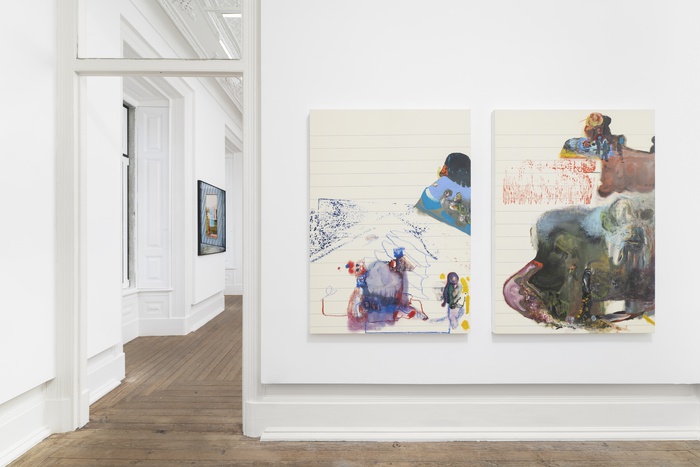
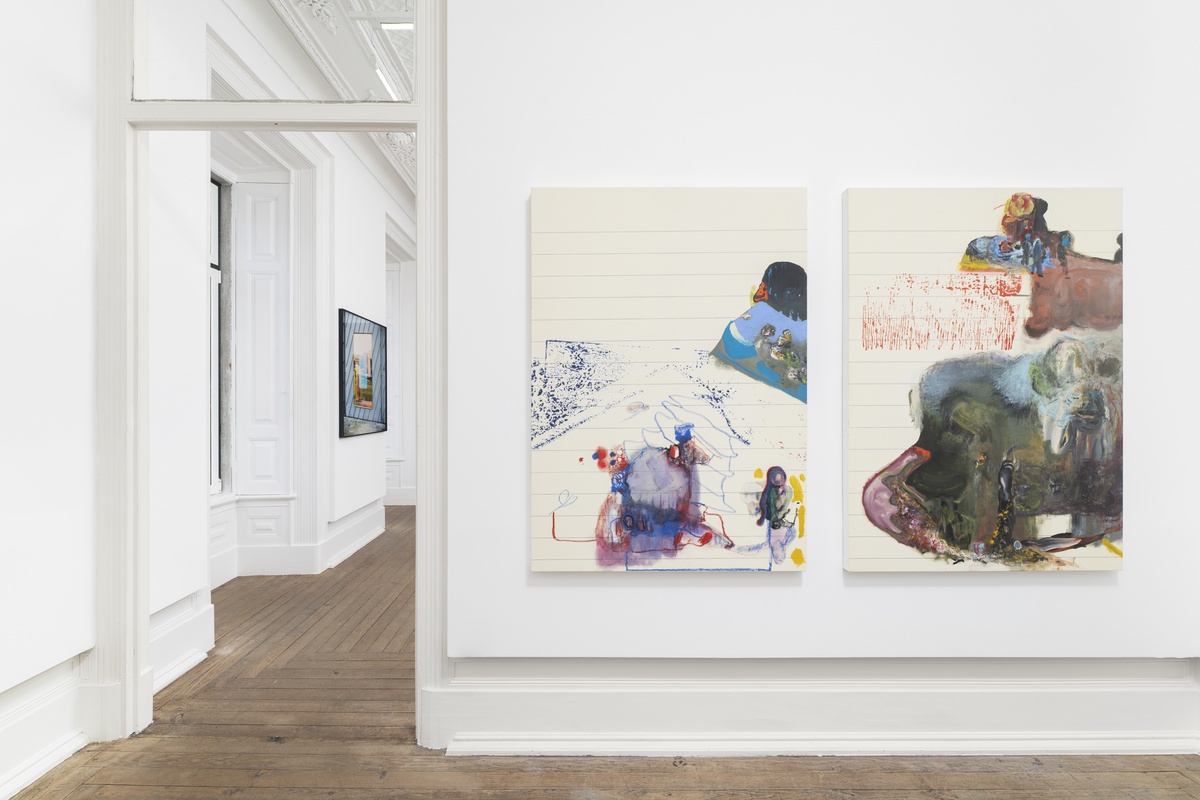
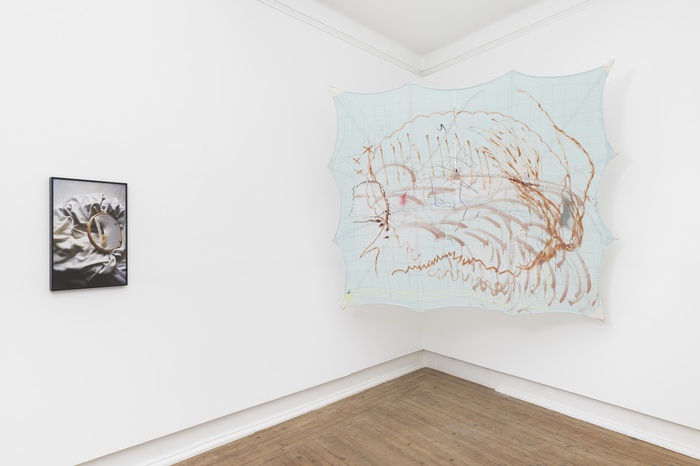
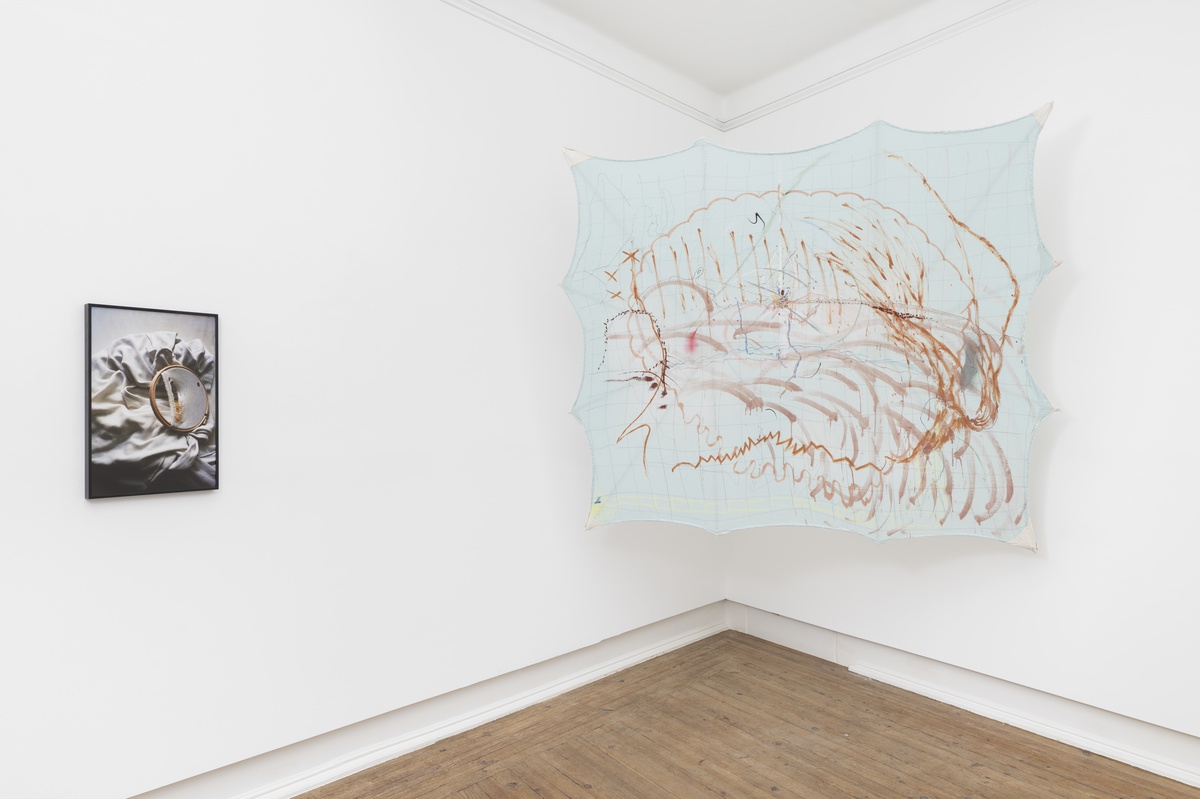
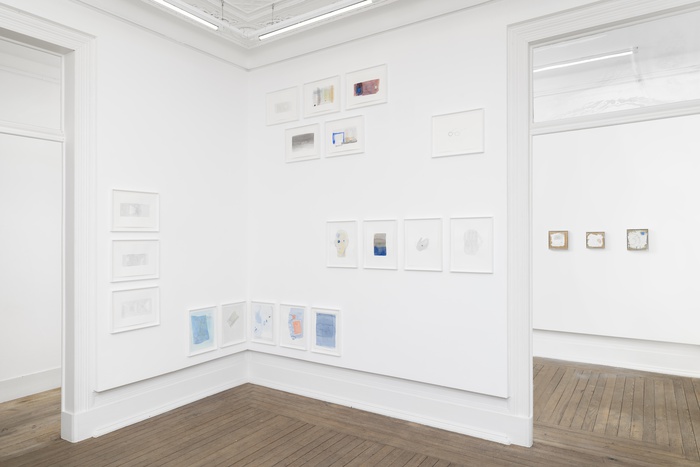
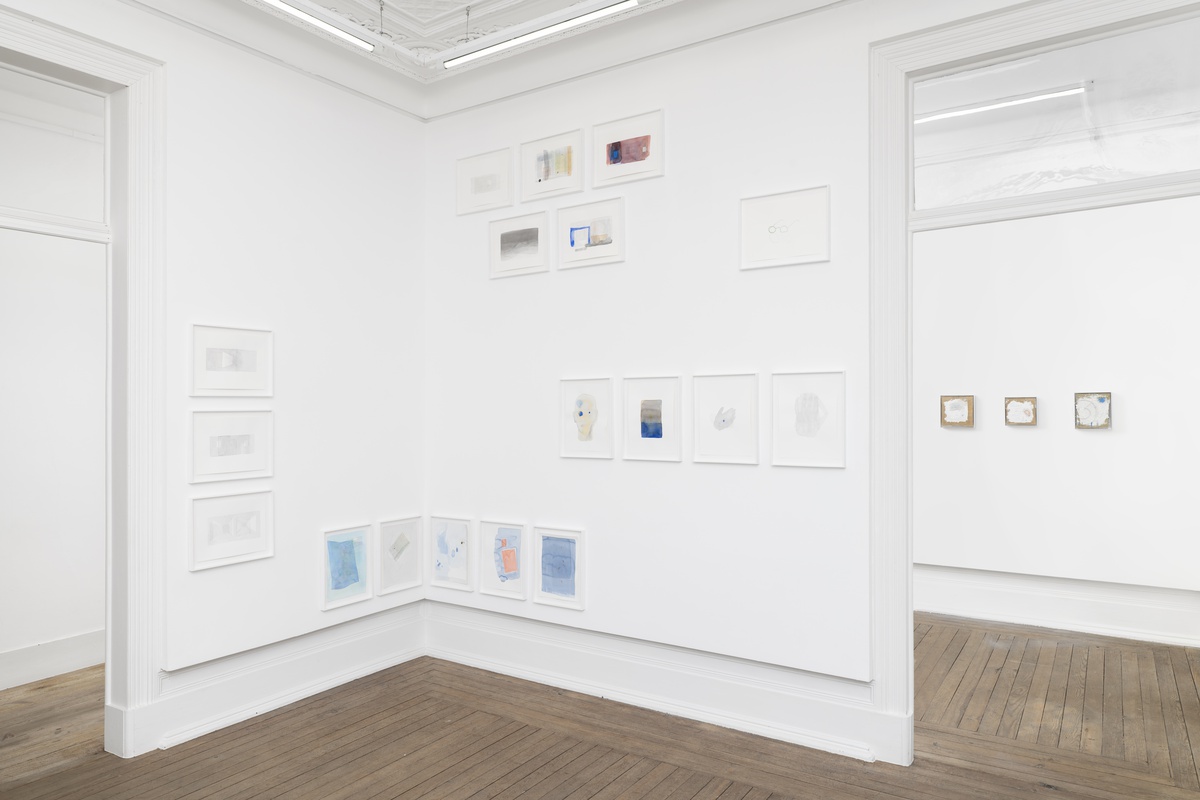
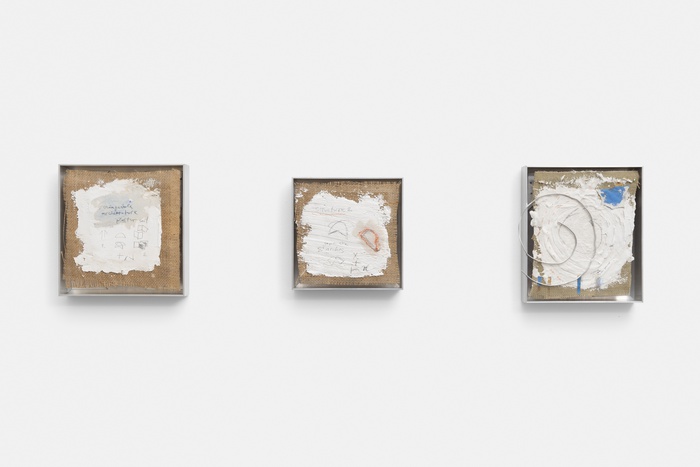
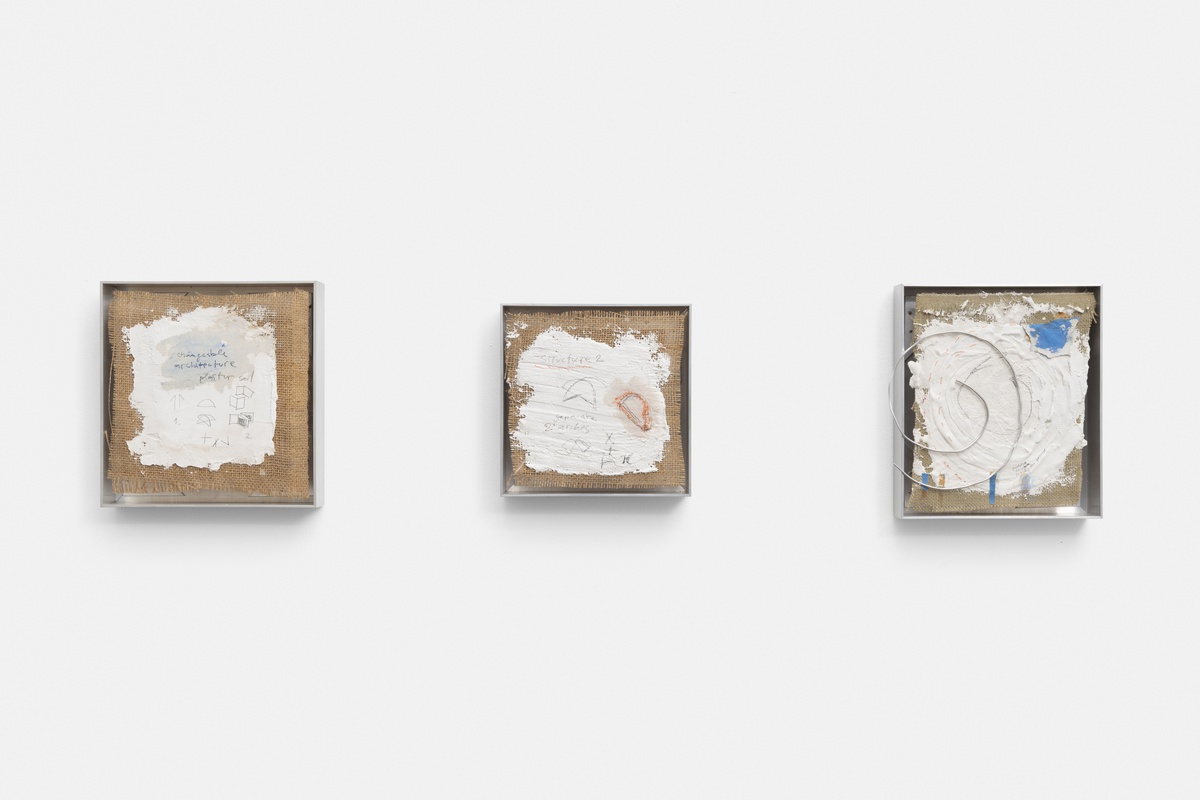
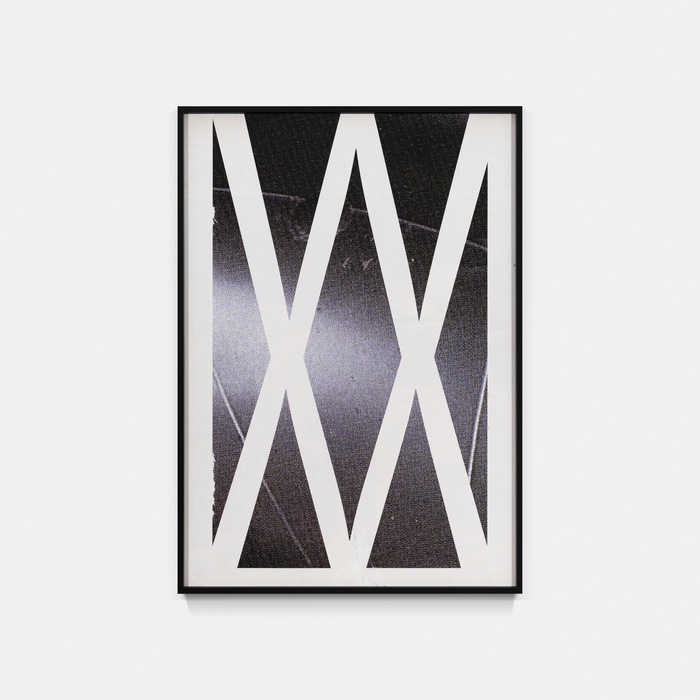
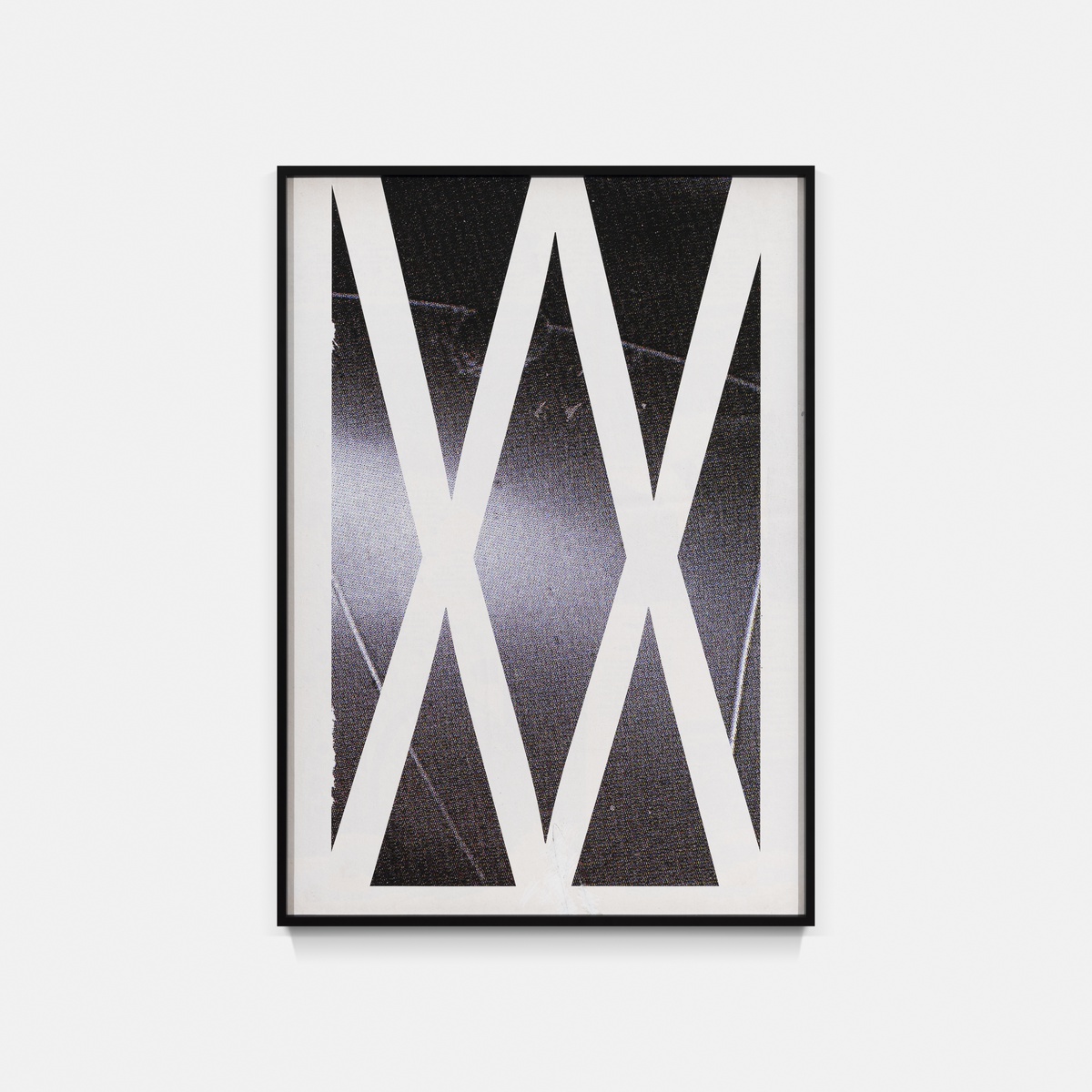
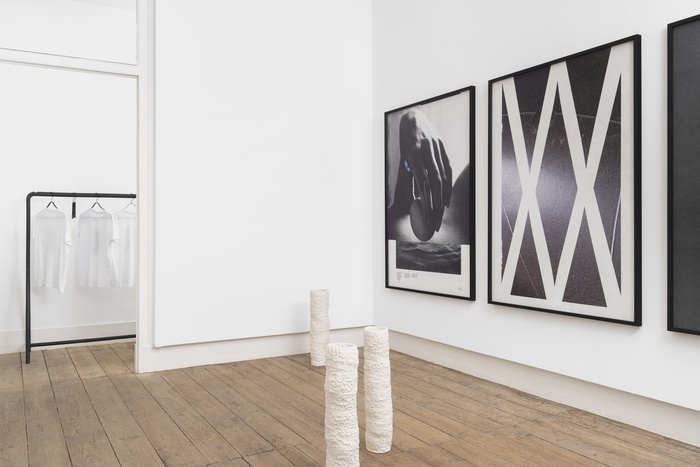
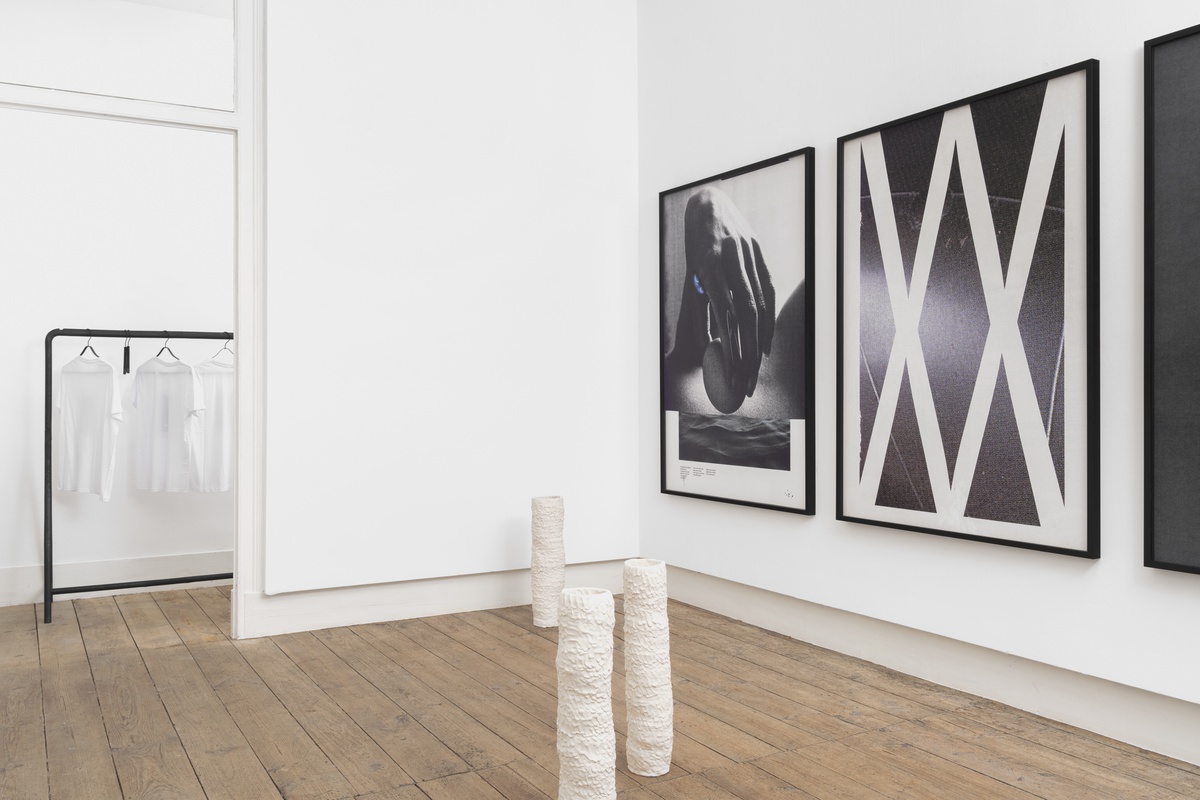
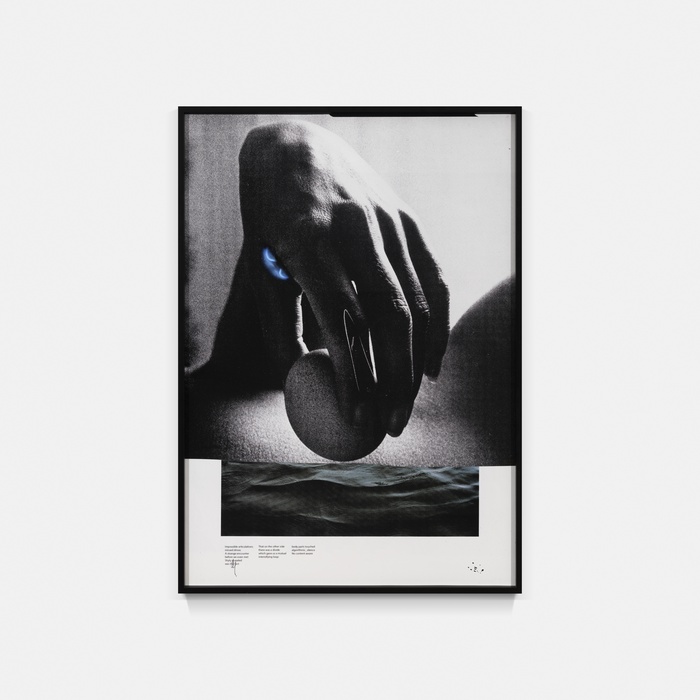
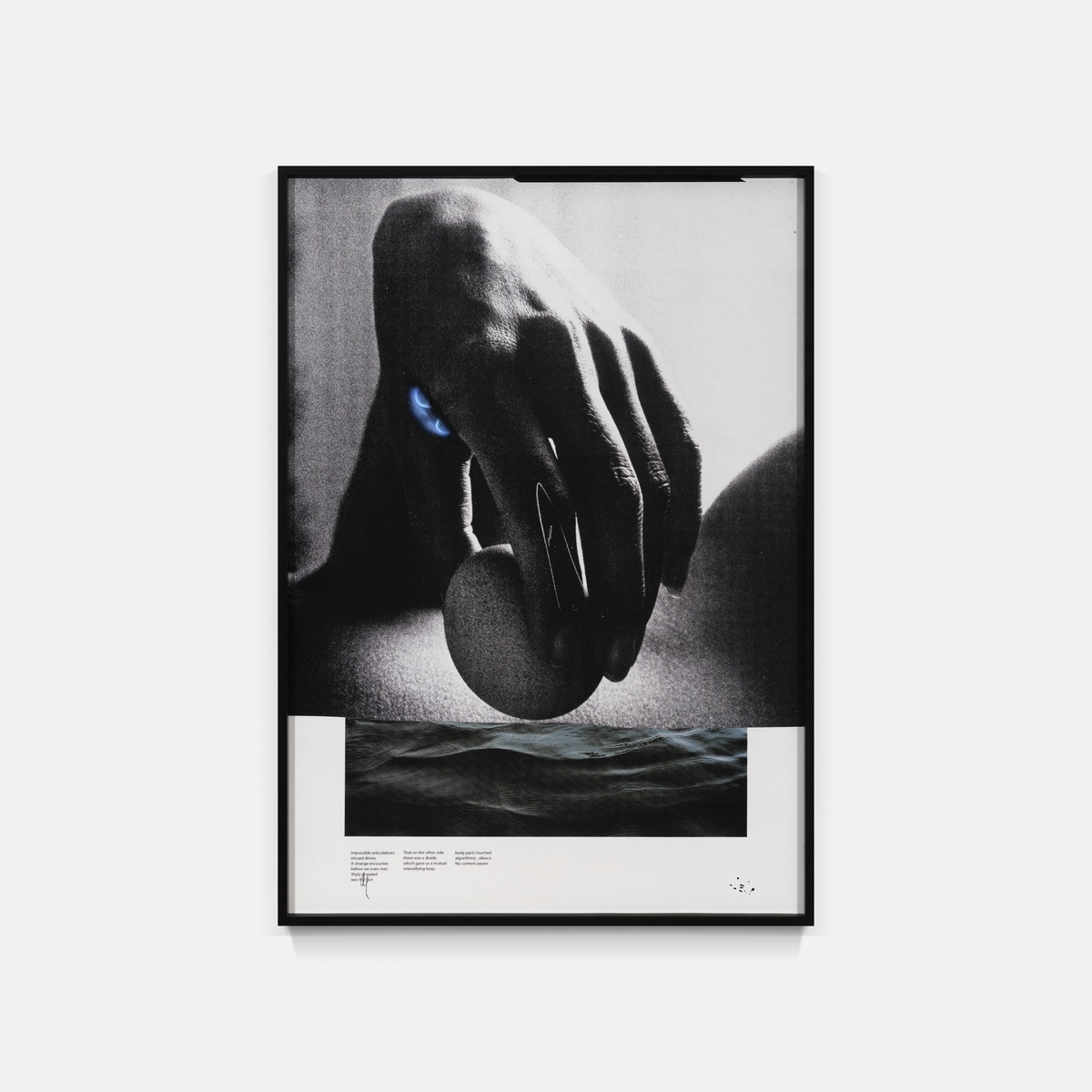
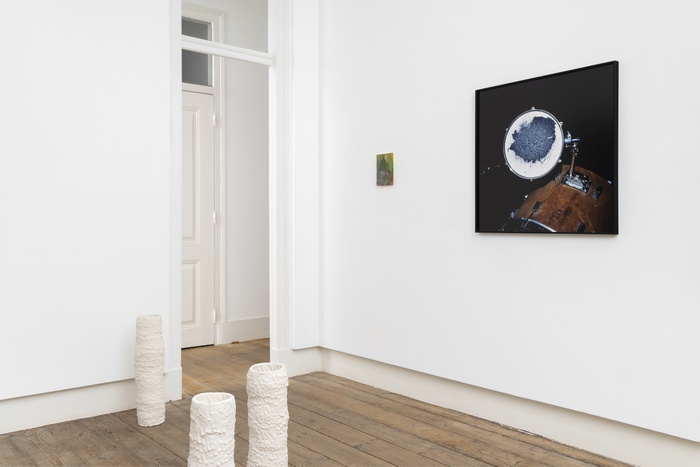
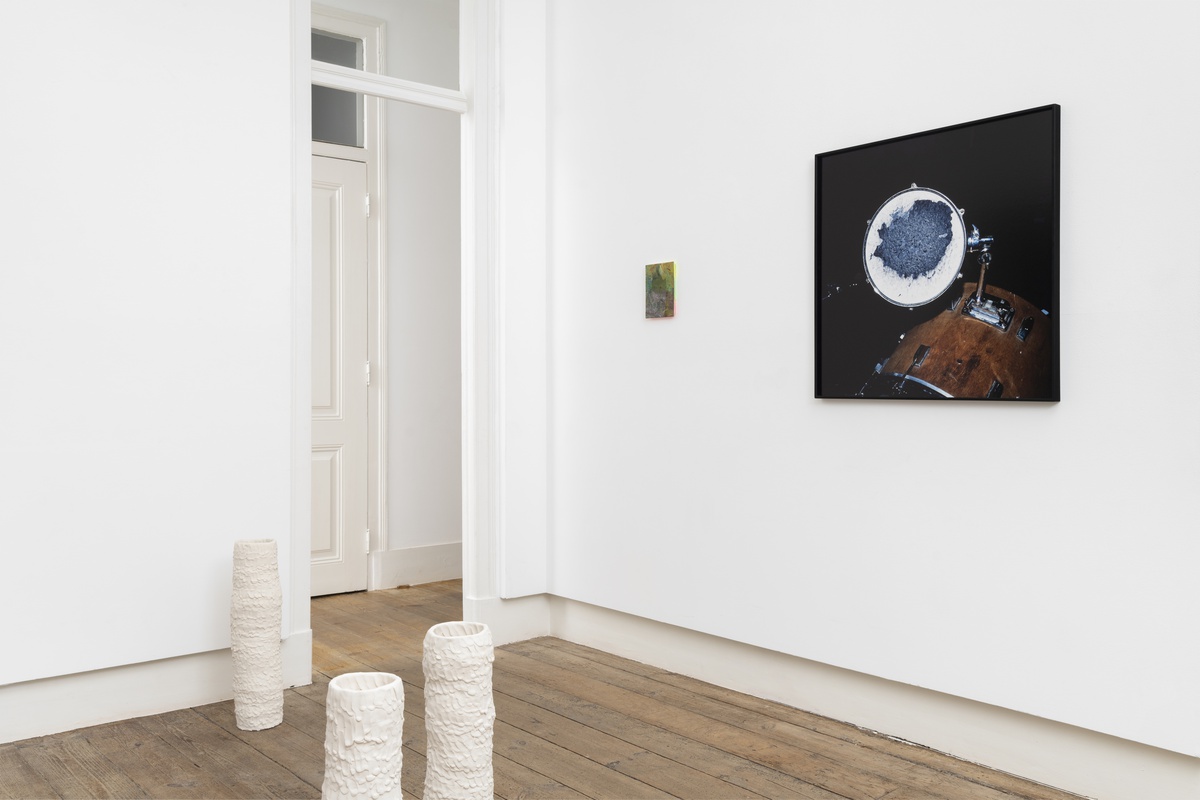
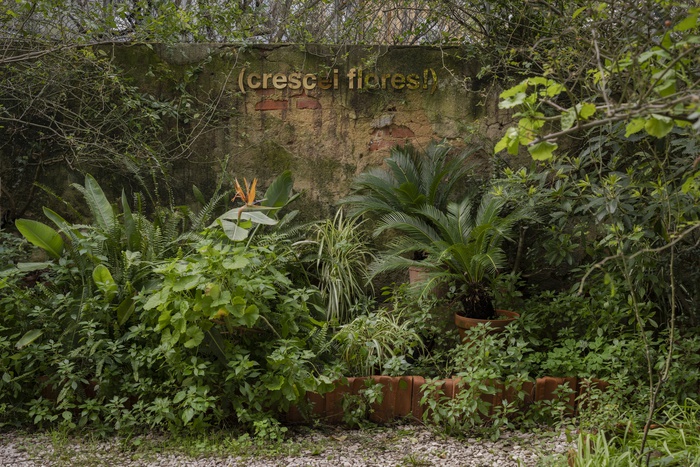
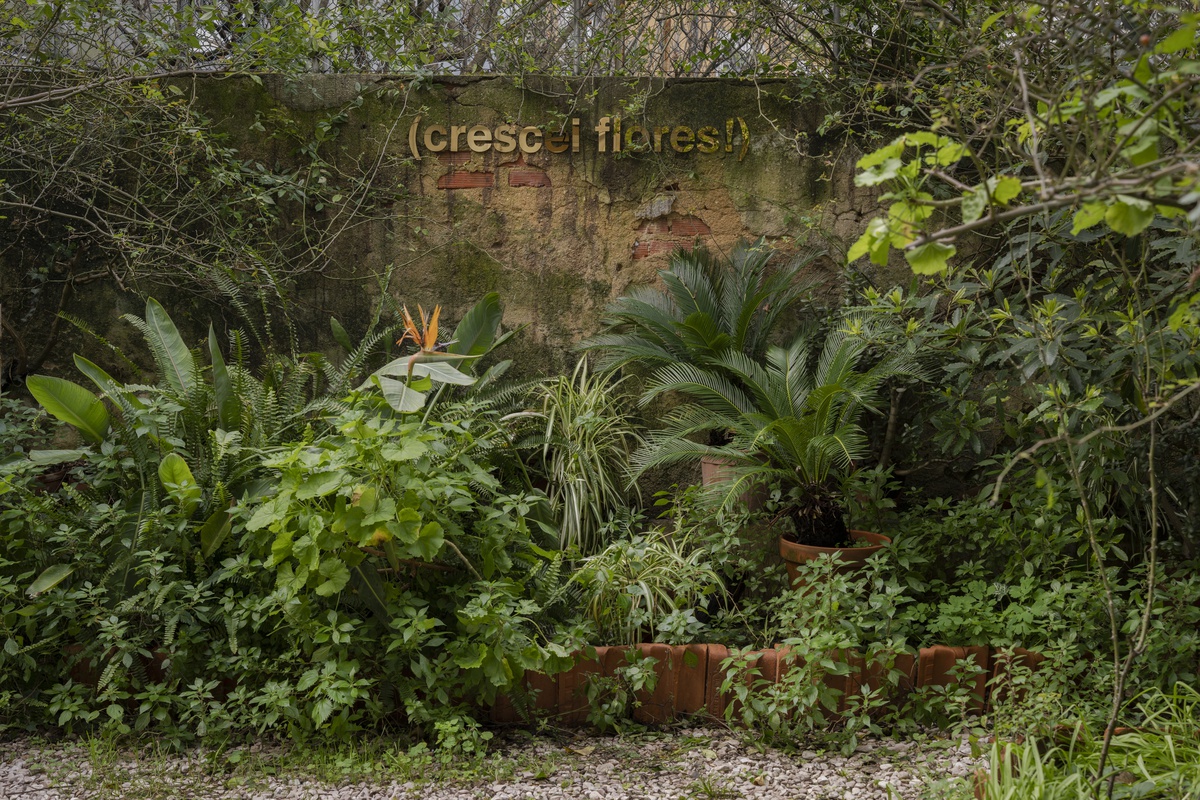
Installation view, Jahn und Jahn, Lisbon, 2026
Installation view, Jahn und Jahn, Lisbon, 2026
Installation view, Jahn und Jahn, Lisbon, 2026
Installation view, Jahn und Jahn, Lisbon, 2026
Installation view, Jahn und Jahn, Lisbon, 2026
Installation view, Jahn und Jahn, Lisbon, 2026
Installation view, Jahn und Jahn, Lisbon, 2026
Installation view, Jahn und Jahn, Lisbon, 2026
Installation view, Jahn und Jahn, Lisbon, 2026
Installation view, Jahn und Jahn, Lisbon, 2026
Installation view, Jahn und Jahn, Lisbon, 2026
Installation view, Jahn und Jahn, Lisbon, 2026
Installation view, Jahn und Jahn, Lisbon, 2026
Installation view, Jahn und Jahn, Lisbon, 2026
Installation view, Jahn und Jahn, Lisbon, 2026
curated by Luiza Teixeira de Freitas
Friday, February 6, 6–9pm: Opening
Saturday, February 28, 12pm: Guided Tour led by the curator
Notas de Rodapé
Ideas relate to objects as constellations relate to stars.
— Walter Benjamin
“Notas de Rodapé” [Footnotes] is a collective exhibition built around what usually remains on the margins: fragments, deviations, interruptions, and ways of thinking that resist a linear organization of meaning. Like an annotated page, where meaning expands beyond the main text and infiltrates the side comments, additions, and seemingly secondary notes, this exhibition proposes a space for discontinuous, open, and relational reading.
Bringing together works by António Júlio Duarte, Carlos Noronha Feio, Catarina Dias, Julius Heinemann, Jorge Queiroz, Navid Nuur, Raphaela Melsohn, and Sara Bichão, the exhibition articulates diverse artistic practices that share a common attention to the interval, suspension, and instability of images and narratives. These are works that reject immediate transparency and are often constructed from incomplete gestures, fragmentary processes, or open structures, inviting the viewer to a slow and non-hierarchical experience of approximation.
The exhibition space is conceived as a field of relationships, where the works are not organized according to a closed path or a dominant center, but rather as a set of points that activate each other. Painting, drawing, photography, sculpture, and installation coexist as scattered notes that illuminate each other, producing provisional meanings, subtle affinities, and areas of tension. Visitors are invited to move around as if leafing through a notebook: jumping between fragments, returning to images, accepting deviation as a method and doubt as a condition of the gaze.
The notion of “footnote” runs through the exhibition not only as a metaphor, but as a critical position. That which traditionally occupies a secondary place — the detail, the residue, the commentary, that which escapes the main discourse — becomes central here. The works operate in this unstable territory, where form remains open and meaning is not fixed, favoring evocation over explanation, suggestion over affirmation.
Walter Benjamin's quote serves as the conceptual axis of the exhibition by proposing a way of thinking that is organized by constellations, that is, by relationships between scattered elements that only make sense when they encounter each other and in the distance between them. In “Notas de Rodapé”, meaning emerges precisely from this relational gesture: from the approximations between different practices, from the formal and conceptual echoes between works, from the voids and margins where the imaginary finds space to expand.
Like constellations, this exhibition does not offer a definitive map or a single interpretation. Rather, it proposes a field of possibilities, an invitation to look, relate, and imagine based on what normally remains outside the center, but which is essential to understanding the complexity of the whole.
Luiza Teixeira de Freitas

PT_PressRelease.pdf (1.0 MB)

folha_de_sala_A4_ENG.pdf (1.0 MB)